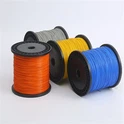
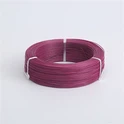
Hey there! As a supplier of UL1516 tin plated ETFE insulated wire, I've seen firsthand how important proper labeling is. It's not just about slapping on a sticker; it's a crucial part of ensuring safety, compliance, and easy identification. In this blog, I'll share some tips on how to label UL1516 tin plated ETFE insulated wire effectively.
Understanding the Basics of UL1516 Tin Plated ETFE Insulated Wire
First off, let's quickly go over what UL1516 tin plated ETFE insulated wire is. UL1516 is a standard set by Underwriters Laboratories (UL), which is a well - known organization for safety standards in the electrical industry. This wire has a tin - plated conductor, which provides good conductivity and corrosion resistance. The ETFE (Ethylene Tetrafluoroethylene) insulation is known for its excellent chemical resistance, high - temperature tolerance, and low flammability.
Why Labeling Matters
Labeling your UL1516 tin plated ETFE insulated wire serves several important purposes. Firstly, it helps with compliance. UL standards require proper labeling to ensure that the product meets safety requirements. If your wire is not labeled correctly, it may not be considered compliant, which can lead to legal issues and safety hazards.
Secondly, labeling makes it easier for your customers to identify the wire. When they're working on an electrical project, they need to know the wire's specifications, such as its gauge, voltage rating, and temperature rating, at a glance. This saves time and reduces the risk of using the wrong wire.
What to Include on the Label
- Wire Specifications
- Gauge: The gauge of the wire indicates its thickness. For example, a 18 - gauge wire is thinner than a 12 - gauge wire. Include the gauge number clearly on the label so that customers can choose the right wire for their application.
- Voltage Rating: This tells users the maximum voltage the wire can handle safely. UL1516 tin plated ETFE insulated wire typically has different voltage ratings depending on its construction. Make sure to mention the exact voltage rating, such as 300V or 600V.
- Temperature Rating: ETFE insulation can withstand high temperatures, but it's still important to specify the temperature rating. This helps users know if the wire is suitable for use in hot environments, like near engines or in industrial ovens.
- UL Certification Mark
- The UL certification mark is a must - have on the label. It shows that the wire has been tested and meets the UL1516 standard. This is a sign of quality and safety for your customers.
- Manufacturer Information
- Include your company's name and contact information. This allows customers to reach out to you if they have any questions or need more information about the wire.
- Date of Manufacture
- Knowing when the wire was made can be important for customers, especially if they need to keep track of its age for maintenance or replacement purposes.
Labeling Methods
- Printed Labels
- Printed labels are a popular choice. You can have labels printed with all the necessary information in a clear and legible font. Make sure the labels are made of a durable material that can withstand the conditions the wire will be exposed to. For example, if the wire will be used in a wet or dirty environment, choose a waterproof and smudge - resistant label.
- Inkjet Printing
- Inkjet printing directly on the wire is another option. This method provides a more permanent and seamless look. However, you need to use special inks that are compatible with the ETFE insulation. Inkjet printing can be done during the manufacturing process, ensuring that the labeling is accurate and consistent.
Tips for Visibility and Durability
- Color - Coding
- In addition to the text information, you can use color - coding to make the wire easier to identify. For example, you could use different colors for different gauges or voltage ratings. This can be especially helpful in large electrical installations where multiple wires are used.
- Protective Coatings
- If you're using printed labels, consider applying a protective coating over them. This can help prevent the labels from fading or peeling off over time, ensuring that the information remains visible for the life of the wire.
Related Products and Their Labels
If you're also interested in other types of insulated wires, we have a great range. Check out our Silver Coated Wire, which offers excellent conductivity and corrosion resistance. The labels on these wires follow similar principles, providing all the necessary specifications and certifications.

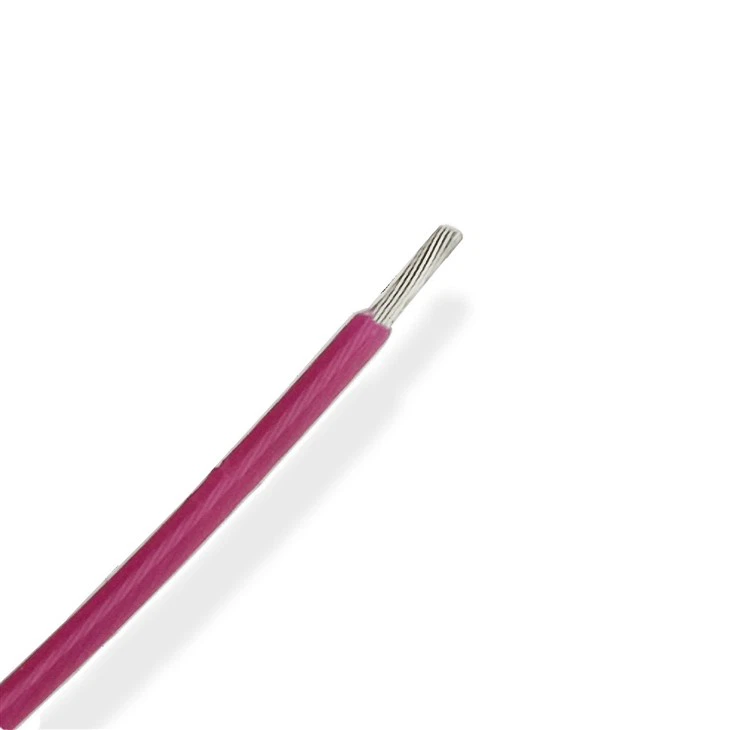
Our Household Electrical Wire is another popular product. These wires are designed for use in homes and need to be clearly labeled for safe installation. The labels include details such as wire gauge, voltage rating, and safety information.
And for those who need a high - performance option, our UL10086 Teflon wire is a great choice. The labeling on this wire adheres to strict industry standards to ensure compliance and easy identification.
Conclusion
Properly labeling your UL1516 tin plated ETFE insulated wire is essential for compliance, safety, and customer satisfaction. By including all the necessary information, choosing the right labeling method, and ensuring visibility and durability, you can make your wire stand out in the market.
If you're in the market for high - quality UL1516 tin plated ETFE insulated wire or other types of insulated wires, don't hesitate to get in touch. We're here to help you find the right product for your needs and ensure that it meets all the necessary standards.
References
- Underwriters Laboratories (UL) standards documentation
- Industry best practices for electrical wire labeling