Hey there! I'm a supplier of UL20710 multi core copper wire, and I know how crucial it is to label these wires properly for easy identification. In this blog, I'll share some practical tips and tricks on how to do just that.
Let's talk about why labeling is so important. When you're dealing with multi core wires, it can be a real headache to figure out which wire is which, especially if you have a bunch of them. Proper labeling makes it easy to identify the wires, which can save you a ton of time and frustration. It also helps ensure safety, as you can quickly and easily tell which wire is carrying what current.
So, how do you go about labeling UL20710 multi core wire? Well, there are a few different methods you can use, and I'll go over them one by one.
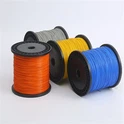
Color coding is the most common method for marking multi core copper wires. You can specify a specific color for each wire or group of wires to make it clear at a glance. When using color coding, it's important to follow the industry standards. In the United States, the National Electrical Code (NEC) provides guidelines on wire color coding. Make sure you're familiar with these standards and use the appropriate colors for your wires.
Label tape can also be used. You can write down the function, voltage, or any other relevant information of the wire on the tape and then wrap it around the wire. The label is also easy to replace.
There are different types of labeling tape available, such as vinyl tape, cloth tape, and paper tape. Choose the one that best suits your needs. Vinyl tape is durable and resistant to moisture, making it a good choice for outdoor applications. Cloth tape is more flexible and can be used on irregularly shaped wires. Paper tape is inexpensive and easy to write on, but it may not be as durable as the other types.
Heat shrink tubing is another popular method for labeling multi core electric wire. You can slide the tubing over the wire and then use a heat gun to shrink it down. This creates a tight seal around the wire, protecting it from moisture and other environmental factors.
You can also print labels on the heat shrink tubing using a label printer. This allows you to create professional-looking labels that are easy to read. Heat shrink tubing is available in different sizes and colors, so you can choose the ones that best fit your wires.
If you're looking for a more permanent and professional way to label your wires, laser marking is a great option. Laser marking uses a laser to engrave the labels directly onto the wire's surface. This creates a high-quality, long-lasting label that won't fade or wear off over time.
Laser marking is more expensive than the other methods, but it's worth the investment if you need to label a large number of wires or if you want a more professional look. You can use laser marking to label the wire's function, voltage, or any other relevant information.
After understanding the different methods of marking UL20710 multi core wires, let's take a look at some best practices:
- Be Clear and Concise: When labeling your wires, make sure the labels are clear and easy to read. Use simple and straightforward language, and avoid using abbreviations or technical jargon that may be confusing.
- Use Consistent Labeling: Use the same labeling system for all your wires to make it easy to identify them. This will also help you avoid mistakes and ensure consistency across your projects.
- Label at the Source: Label the wires at the source, such as at the panel or junction box. This will make it easier to trace the wires back to their origin and identify any issues.
- Update Labels Regularly: If you make any changes to the wires or their function, make sure you update the labels accordingly. This will help you keep track of the wires and ensure that they are properly labeled at all times.
Labeling UL20710 multi core copper electric wire is an important part of any electrical project. By using the right labeling method and following the best practices, you can make it easy to identify the wires and ensure safety. Whether you choose color coding, labeling tape, heat shrink tubing, or laser marking, make sure you do it right.