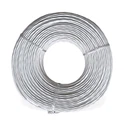
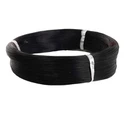
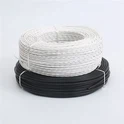
Insulated wire is a crucial component in various electrical and electronic applications. As a leading insulated wire supplier, we understand the importance of maintaining these wires to ensure their optimal performance and longevity. In this blog, we will delve into the best practices for maintaining insulated wire, drawing on our extensive industry experience and knowledge.
Understanding Insulated Wire
Before we discuss maintenance, it's essential to understand what insulated wire is. Insulated wire consists of a conductive core, typically made of copper or aluminum, surrounded by an insulating material. This insulation serves multiple purposes, including preventing electrical leakage, protecting the conductor from environmental factors, and ensuring safety.


There are different types of insulated wire available, each designed for specific applications. For example, UL3340 Insulated Wire is known for its tin-plated EPDM insulation, which offers excellent resistance to heat, moisture, and chemicals. On the other hand, UL1371 FEP Insulated Wire features FEP insulation, which provides high-temperature resistance and low dielectric constant, making it suitable for high-frequency applications.
Storage
Proper storage is the first step in maintaining insulated wire. When stored incorrectly, wires can be exposed to environmental factors that can damage the insulation. Here are some storage guidelines:
- Temperature and Humidity: Insulated wire should be stored in a dry, cool environment. High humidity can cause moisture to penetrate the insulation, leading to corrosion of the conductor and degradation of the insulation material. Ideally, the storage temperature should be between 10°C and 30°C, and the relative humidity should be below 60%.
- Protection from Physical Damage: Wires should be stored in a way that protects them from physical damage. This means avoiding sharp edges, heavy objects, and rough handling. Wires should be coiled neatly and stored on racks or in containers to prevent tangling and kinking.
- Avoid Exposure to Chemicals: Insulation materials can be sensitive to certain chemicals. Therefore, wires should be stored away from chemicals such as solvents, acids, and alkalis. If there is a risk of chemical exposure, the wires should be stored in a sealed container or a dedicated storage area.
Handling
Proper handling of insulated wire is crucial to prevent damage during installation and use. Here are some handling tips:
- Use the Right Tools: When cutting or stripping insulated wire, use the appropriate tools. Dull or improper tools can damage the insulation or the conductor. For example, a sharp wire stripper should be used to remove the insulation without nicking the conductor.
- Avoid Overbending: Insulated wire has a minimum bend radius, which should be followed to prevent damage to the insulation and the conductor. Overbending can cause the insulation to crack or the conductor to break, leading to electrical failures.
- Proper Installation: During installation, wires should be routed neatly and securely. They should be fastened at regular intervals to prevent movement and abrasion. Additionally, wires should be kept away from sources of heat, vibration, and mechanical stress.
Inspection
Regular inspection is essential to detect any signs of damage or degradation in insulated wire. Here are some inspection points:
- Visual Inspection: Conduct a visual inspection of the wire regularly. Look for signs of damage such as cuts, abrasions, cracks, or discoloration in the insulation. Any damaged wire should be replaced immediately to prevent electrical hazards.
- Electrical Testing: Electrical testing can be used to detect any hidden defects in the wire. This includes testing the resistance, capacitance, and insulation resistance of the wire. Any significant changes in these values may indicate a problem with the wire.
- Environmental Monitoring: Monitor the environment where the wire is installed. Changes in temperature, humidity, or chemical exposure can affect the performance of the wire. If any environmental factors change significantly, additional inspections may be required.
Cleaning
Cleaning insulated wire can help remove dirt, dust, and other contaminants that can accumulate on the surface of the insulation. Here are some cleaning guidelines:
- Use Mild Cleaning Agents: When cleaning insulated wire, use mild cleaning agents such as soap and water. Avoid using harsh chemicals or abrasive cleaners, as these can damage the insulation.
- Gently Clean the Surface: Use a soft cloth or sponge to gently clean the surface of the wire. Avoid applying excessive pressure, as this can damage the insulation.
- Dry Thoroughly: After cleaning, dry the wire thoroughly to prevent moisture from remaining on the surface. Moisture can cause corrosion and degradation of the insulation.
Maintenance of Terminations
The terminations of insulated wire, such as connectors and terminals, also require maintenance. Here are some tips:
- Inspect Terminations Regularly: Check the terminations for signs of loose connections, corrosion, or overheating. Loose connections can cause electrical resistance, leading to overheating and potential fire hazards.
- Tighten Connections: If any connections are loose, tighten them using the appropriate tools. However, be careful not to overtighten, as this can damage the terminals or the wire.
- Clean Terminations: Clean the terminals regularly to remove any dirt, oxidation, or corrosion. Use a suitable cleaning agent and a soft brush to clean the terminals.
Troubleshooting
Despite proper maintenance, problems may still occur with insulated wire. Here are some common problems and their solutions:
- Insulation Failure: If the insulation fails, it can cause electrical leakage or short circuits. This can be due to physical damage, environmental factors, or aging. In case of insulation failure, the damaged wire should be replaced immediately.
- Conductor Corrosion: Corrosion of the conductor can reduce the electrical conductivity of the wire. This can be caused by moisture, chemical exposure, or improper storage. To prevent conductor corrosion, ensure proper storage and handling, and use corrosion-resistant conductors if necessary.
- Overheating: Overheating can be caused by excessive current, poor connections, or high ambient temperature. If a wire is overheating, check the electrical load, the connections, and the ambient temperature. If necessary, reduce the load, improve the connections, or provide additional cooling.
Conclusion
Maintaining insulated wire is essential to ensure its optimal performance and longevity. By following the storage, handling, inspection, cleaning, and maintenance guidelines outlined in this blog, you can minimize the risk of damage and electrical failures. As a trusted insulated wire supplier, we are committed to providing high-quality products and technical support to our customers. If you have any questions or need further assistance with insulated wire maintenance, please feel free to contact us for procurement and negotiation. We look forward to serving you.
References
- "Electrical Wiring Handbook" by Terrell Croft and Wilford Summers
- "Insulation Materials and Systems for Electric Machines" by A. Cavallini and S. Tanaka