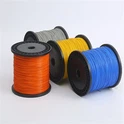
As a supplier of UL10584 single core copper wire, I often encounter various inquiries from customers about the performance and characteristics of our products. One question that has come up frequently is whether UL10584 single core copper wire is resistant to ultraviolet rays. In this blog post, I will delve into this topic and provide a comprehensive analysis based on scientific knowledge and practical experience.
Understanding UL10584 Single Core Copper Wire
First, let's briefly introduce UL10584 single core copper wire. UL10584 single core wire is a type of electrical wire that is widely used in different electrical applications. It features a single copper conductor, which offers excellent electrical conductivity. Copper is well - known for its high conductivity, low resistance, and good ductility, making it an ideal material for electrical wiring. The UL10584 standard ensures that the wire meets certain safety and performance requirements, which is crucial for its reliable use in electrical systems.
The Impact of Ultraviolet Rays on Wires
Ultraviolet (UV) rays are a part of the electromagnetic spectrum with wavelengths shorter than visible light. They are emitted by the sun and some artificial sources. When wires are exposed to UV rays for extended periods, several problems can occur.
- Material Degradation: The outer insulation layer of electrical wires is typically made of polymers such as PVC (polyvinyl chloride), polyethylene, or other rubber compounds. UV rays can break the chemical bonds in these polymers. This process is known as photodegradation. As a result, the insulation material becomes brittle, loses its flexibility, and can crack over time. Cracks in the insulation expose the inner copper conductor to the environment, increasing the risk of short - circuits, electrical shocks, and fires.
- Color Fading and Surface Changes: UV exposure can also cause the insulation to fade in color. While this may seem like a cosmetic issue, it can be an indication of more severe internal degradation. Additionally, the surface of the insulation may become rough, which can further accelerate the deterioration process by making it more susceptible to mechanical damage and moisture ingress.
Is UL10584 Single Core Copper Wire Resistant to Ultraviolet Rays?
The answer to whether UL10584 single core copper wire is resistant to ultraviolet rays depends on the type of insulation used.
Standard Insulation
In many cases, the standard insulation on UL10584 single core copper wire is not specifically formulated to be highly resistant to UV rays. If the wire is installed in an environment where it is regularly exposed to direct sunlight, such as in an outdoor electrical installation or in a poorly - shielded indoor area near a window, the standard insulation may degrade over time.
For example, PVC insulation, which is commonly used in electrical wires, has limited UV resistance. PVC contains chlorine atoms in its chemical structure, and UV rays can cause the formation of free radicals that break the polymer chains. Without proper additives or protective coatings, PVC - insulated wires can start to show signs of degradation within a few months to a few years of continuous UV exposure.
UV - Resistant Insulation
However, some manufacturers offer UL10584 single core copper wire with UV - resistant insulation. These specialized insulations are formulated with additives such as UV stabilizers, antioxidants, and carbon black.
- UV Stabilizers: These chemicals absorb UV rays and convert the energy they carry into heat, which is then dissipated. By preventing the UV rays from reaching and breaking the polymer bonds, UV stabilizers help to maintain the integrity of the insulation material.
- Antioxidants: Oxidation can occur simultaneously with photodegradation when wires are exposed to UV rays and oxygen in the air. Antioxidants react with free radicals formed during the oxidation process, preventing further chain reactions that would lead to material degradation.
- Carbon Black: Carbon black is a common additive in UV - resistant insulation. It acts as a physical barrier, absorbing and scattering UV rays before they can penetrate the polymer matrix. This significantly reduces the amount of UV energy reaching the polymer chains, thereby enhancing the wire's UV resistance.
When purchasing UL10584 single core copper wire for applications where UV exposure is a concern, it is crucial to specify that you need wire with UV - resistant insulation.
Applications and Considerations
Indoor Applications
For most indoor applications where the wire is not exposed to direct sunlight, the standard UL10584 single core copper wire usually suffices. Indoor environments typically have minimal UV exposure, so the risk of UV - related degradation is low. However, even in indoor settings, if the wire is located near windows or in areas where there is some UV leakage from artificial lighting sources like fluorescent or LED lights, over a long period, there may still be some minor degradation.
Outdoor Applications
In outdoor applications such as street lighting, solar panel installations, or outdoor electrical enclosures, UV - resistant UL10584 single core copper wire is strongly recommended. These applications are constantly exposed to sunlight, and without proper UV resistance, the wire's insulation can deteriorate rapidly, leading to safety hazards and costly maintenance or replacement.
When considering outdoor use, it is also important to take into account other environmental factors such as temperature fluctuations, moisture, and mechanical stress. These factors can interact with UV exposure and further accelerate the degradation process. For example, high temperatures can increase the rate of chemical reactions in the insulation, making it more vulnerable to UV damage.
Comparison with Other Wires
In the market, there are other types of wires that can be used in similar applications, such as high voltage flexible cable and single core multi strand flexible copper cable. Their UV resistance also depends on the insulation material.
The resistance of these wires to UV rays follows a similar principle as UL10584 single core copper wire. Standard insulation may not be suitable for long - term UV exposure, while specialized UV - resistant insulation can provide better protection. However, the specific performance may vary depending on the exact formulation of the insulation and the manufacturing process.
Conclusion
In conclusion, the UV resistance of UL10584 single core copper wire depends on the insulation type. Standard insulation generally has limited UV resistance, while UV - resistant insulation can significantly enhance the wire's ability to withstand long - term exposure to ultraviolet rays. When choosing the wire for your application, carefully assess the level of UV exposure and other environmental factors.

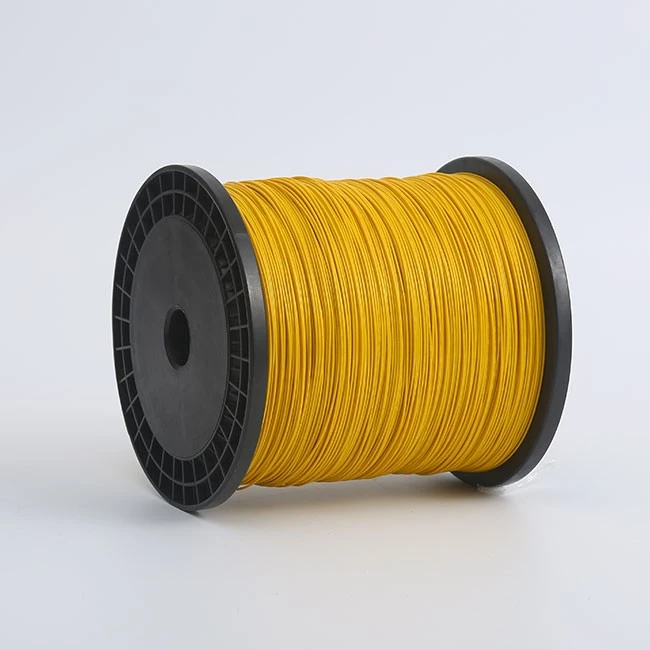
If you are in the market for UL10584 single core copper wire or have any questions about its UV resistance or other performance characteristics, please feel free to contact us. We are committed to providing high - quality products and professional advice to meet your electrical wiring needs.
References
- "Electrical Wiring Handbook" by Terrell Croft and Wilford Summers
- "Polymer Degradation and Stability" by Allan S. Hay