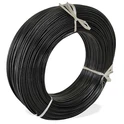
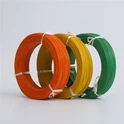
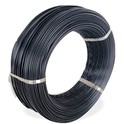
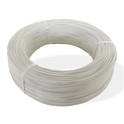
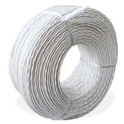
In the dynamic and innovative landscape of the automotive industry, the pursuit of high - performance, reliable, and efficient components is a never - ending journey. One such crucial component that has gained significant traction in recent years is ETFE insulated wire. As a leading supplier of ETFE insulated wires, I am excited to share with you the numerous benefits of using this exceptional material in automotive applications.
1. Superior Thermal Resistance
ETFE (Ethylene Tetrafluoroethylene) is inherently known for its outstanding thermal resistance. In automotive environments, where engines generate a substantial amount of heat, and components are exposed to high - temperature conditions, traditional wires may degrade or even fail. ETFE insulated wire, on the other hand, can withstand a wide range of temperatures, typically from - 65°C to + 150°C, and even up to + 200°C in some special cases.
This high - temperature tolerance ensures the wire's durability and performance under harsh thermal stress. For example, in the engine compartment, where heat levels can soar, ETFE insulated wire maintains its electrical conductivity and structural integrity. It reduces the risk of short - circuits and electrical failures caused by overheating, enhancing the overall reliability of the vehicle's electrical systems. Without thermal degradation, the lifespan of the wire is significantly extended, reducing maintenance costs and the likelihood of unexpected breakdowns.
2. Excellent Chemical Resistance
Automobiles are exposed to a variety of chemicals, including fuels, lubricants, coolants, and cleaning agents. These chemicals can corrode and damage ordinary wires, leading to electrical malfunctions. ETFE insulated wire offers excellent chemical resistance against a broad spectrum of automotive fluids.
It resists the corrosive effects of gasoline, diesel, motor oil, and brake fluid, among others. This means that in fuel - delivery systems, where direct contact with fuels is common, or in areas near the engine where oil and coolant leaks might occur, ETFE insulated wire remains intact. The chemical resistance of ETFE also makes it suitable for use in areas where the vehicle may be exposed to de - icing agents or road salts, protecting the electrical wiring from corrosion in harsh winter conditions. For automotive manufacturers, this translates into a more robust and long - lasting electrical infrastructure, which is a key consideration for vehicle safety and performance.
3. High Mechanical Strength and Flexibility
In addition to its thermal and chemical properties, ETFE insulated wire combines high mechanical strength with flexibility. Automotive wiring systems need to be able to withstand mechanical stress, such as vibrations, bending, and stretching, during the vehicle's operation. ETFE insulation provides a tough and resilient protective layer for the wire conductors.
The flexibility of ETFE insulated wire allows for easy installation in the complex and confined spaces within a vehicle. It can be routed around various components, through tight corners, and along irregular paths without breaking or losing its insulation properties. This flexibility is especially important in modern cars, where the need for more electrical features and wiring has led to increasingly crowded engine compartments and interior spaces. High - quality ETFE insulated wire, like the ones available at High quality wire, can maintain its mechanical integrity even after repeated bending and flexing, ensuring long - term performance in a mobile and dynamic environment.
4. Low Flammability and Smoke Emission
Safety is a top priority in the automotive industry. ETFE insulated wire has low flammability characteristics, which is a significant advantage in preventing the spread of fire in the event of an electrical fault. When compared to some other insulation materials, ETFE has a high limiting oxygen index (LOI), meaning it requires a higher concentration of oxygen to support combustion.
In addition to its low flammability, ETFE also emits very little smoke when exposed to fire. This is crucial in a vehicle, as large amounts of smoke can obscure the driver's vision and make it difficult to evacuate the vehicle in case of an emergency. By using ETFE insulated wire, automotive manufacturers can enhance the fire - safety features of their vehicles, protecting both passengers and the vehicle itself from potential fire hazards.
5. Electrical Performance
The electrical properties of ETFE insulated wire are also highly desirable for automotive applications. ETFE has a low dielectric constant, which means that it provides good electrical insulation with minimal signal loss. In modern vehicles, which rely heavily on electrical and electronic systems for functions such as engine control, infotainment, and safety features, maintaining high - quality electrical signals is critical.


The low capacitance of ETFE insulated wire allows for faster signal transmission, reducing the time delay in electrical circuits. This is particularly important in high - speed communication systems, such as those used in advanced driver - assistance systems (ADAS) and in - vehicle networking. The consistent and reliable electrical performance of ETFE insulated wire helps to ensure the smooth operation of all these sophisticated systems, contributing to the overall functionality and safety of the vehicle.
6. Lightweight Design
As the automotive industry continues to focus on reducing vehicle weight to improve fuel efficiency and reduce emissions, the lightweight nature of ETFE insulated wire is a major advantage. Compared to some traditional wiring materials, ETFE insulation is relatively light, which helps to reduce the overall weight of the vehicle's electrical system.
Every gram saved in a vehicle can contribute to improved fuel economy, especially in hybrid and electric vehicles where battery range is a key concern. By using lightweight ETFE insulated wire, automotive manufacturers can achieve weight savings without sacrificing the performance and reliability of the electrical wiring. This makes ETFE insulated wire an ideal choice for the next generation of environmentally friendly and energy - efficient vehicles.
7. Environmental Sustainability
In today's world, environmental sustainability is of utmost importance. ETFE is a recyclable material, and using ETFE insulated wire in automotive applications aligns with the industry's growing commitment to reducing its environmental impact. At the end of a vehicle's life cycle, the ETFE insulation can be separated from the wire conductors and recycled, reducing waste and the consumption of raw materials.
This not only helps automotive manufacturers meet strict environmental regulations but also demonstrates their social responsibility towards a greener future. As more consumers are becoming environmentally conscious, the use of sustainable materials like ETFE in vehicles can also be a selling point for automakers.
Conclusion
In conclusion, the benefits of using ETFE insulated wire in automotive applications are numerous and far - reaching. From its superior thermal and chemical resistance to its excellent mechanical strength, low flammability, and high - performance electrical properties, ETFE insulated wire offers a comprehensive solution for the demanding requirements of modern vehicles. Its lightweight design and environmental sustainability further make it an attractive choice for automotive manufacturers looking to innovate and stay competitive in the market.
If you are an automotive manufacturer, engineer, or industry professional interested in incorporating ETFE insulated wire into your next project, we invite you to explore our range of ETFE insulation wire options. You can also learn more about specific products, such as ETFE Insulated Wire. Our team of experts is ready to assist you in finding the right solution for your unique needs. Don't hesitate to reach out to us to discuss your requirements and start a productive procurement conversation.
References
- "Automotive Electrical Wiring Handbook", Second Edition, by William D. Keiser
- Technical data sheets on ETFE materials from leading chemical suppliers
- Industry reports on automotive wiring trends and technologies