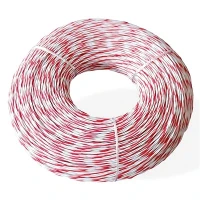
Hey there! As a single core copper wire supplier, I've seen firsthand how important it is to install this stuff safely. Whether you're a DIY enthusiast or a professional electrician, getting the installation right is crucial for both safety and performance. So, let's dive into how you can install single core copper wire safely.
Understanding Single Core Copper Wire
Before we start with the installation, let's talk a bit about single core copper wire. It's a popular choice in electrical wiring because copper is an excellent conductor of electricity. It comes in different sizes and types, depending on your needs. For instance, you've got the high voltage flexible cable which can handle high voltage applications. Then there's the unsheathed copper wire, which is great for some specific setups where you don't need the extra protection of a sheath. And if you need something flexible, the single core multi strand flexible copper cable is a top - notch option.
Safety First: Pre - Installation Checks
First things first, safety should always be your number one priority. Before you even start handling the wire, make sure you turn off the power supply at the main breaker. This might seem like a no - brainer, but you'd be surprised how many accidents happen because people forget this simple step.
Inspect the wire for any visible damage. Look for cuts, nicks, or signs of corrosion. If you find any, don't use that wire. Damaged wire can cause short circuits, which are not only dangerous but can also damage your electrical appliances.
Also, make sure you're wearing the right safety gear. Gloves and safety glasses are a must. Gloves protect your hands from sharp edges and any potential electrical shocks, while safety glasses shield your eyes from debris.
Planning Your Installation
Now, it's time to plan out your installation. Figure out where you need to run the wire. Measure the distance and mark the path. Make sure you're following all local electrical codes. These codes are in place to ensure the safety of your installation.
Consider the load requirements. Different applications have different electrical load needs. For example, a lighting circuit will have a lower load compared to an appliance circuit. Make sure you choose the right gauge of wire for the job. A thicker wire can handle more current, so it's important to match the wire gauge to the load.
Installing the Wire
Once you've planned everything out, it's time to start installing the wire. If you're running the wire through walls or ceilings, use a fish tape. This is a long, flexible tool that helps you guide the wire through tight spaces.
When you're making connections, use wire nuts. These are small, plastic caps that twist onto the ends of the wires to secure them together. Make sure the wires are stripped of their insulation before you attach the wire nuts. The exposed wire should be about 3/8 to 1/2 inch long.
If you're connecting the wire to an electrical device, like an outlet or a switch, follow the manufacturer's instructions carefully. Usually, there will be specific terminals for the hot, neutral, and ground wires. Connect the wires to the correct terminals and tighten the screws firmly.
Securing the Wire
After you've run the wire and made the connections, you need to secure it. Use cable staples or clips to hold the wire in place. Make sure the staples or clips are not too tight, as this can damage the wire. Space the staples or clips at regular intervals, usually about 4 to 6 feet apart.
If the wire is running through a conduit, make sure the conduit is properly sized for the wire. The conduit protects the wire from physical damage and also helps to organize the wiring.
Testing the Installation
Once you've completed the installation, it's time to test it. Turn the power back on at the main breaker. Use a voltage tester to check if the circuit is live. Make sure all the electrical devices connected to the circuit are working properly.


If you notice any issues, like a device not working or a breaker tripping, turn off the power immediately and check your installation. There could be a loose connection or a short circuit.
Maintenance and Future Considerations
Even after a successful installation, it's important to perform regular maintenance. Check the wire connections periodically for any signs of loosening or corrosion. If you find any issues, fix them right away.
If you plan to make any changes to your electrical system in the future, make sure you follow the same safety procedures. Adding new circuits or changing the wiring can be dangerous if not done correctly.
Why Choose Our Single Core Copper Wire
As a supplier, I can tell you that our single core copper wire is top - quality. We source the best copper and use the latest manufacturing techniques to ensure that our wire meets all the industry standards. Whether you need a high voltage flexible cable, an unsheathed copper wire, or a single core multi strand flexible copper cable, we've got you covered.
Our wire is not only reliable but also cost - effective. You'll get great performance without breaking the bank. And if you have any questions or need help with your installation, our customer service team is always ready to assist you.
Contact Us for Your Purchase
If you're interested in purchasing our single core copper wire, don't hesitate to reach out. We're here to help you find the right product for your needs. Whether you're working on a small DIY project or a large commercial installation, we can provide you with the right wire and support.
References
- National Electrical Code (NEC)
- Electrical Wiring Handbook
- Manufacturer's instructions for electrical devices