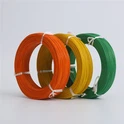
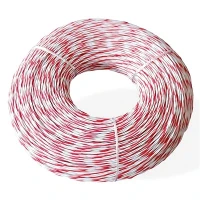
Hey there! As an insulated wire supplier, I've seen firsthand the diverse range of insulated wires out there. It's amazing how many different types are available, each designed for specific applications. So, let's dive right in and explore what these different types are all about.
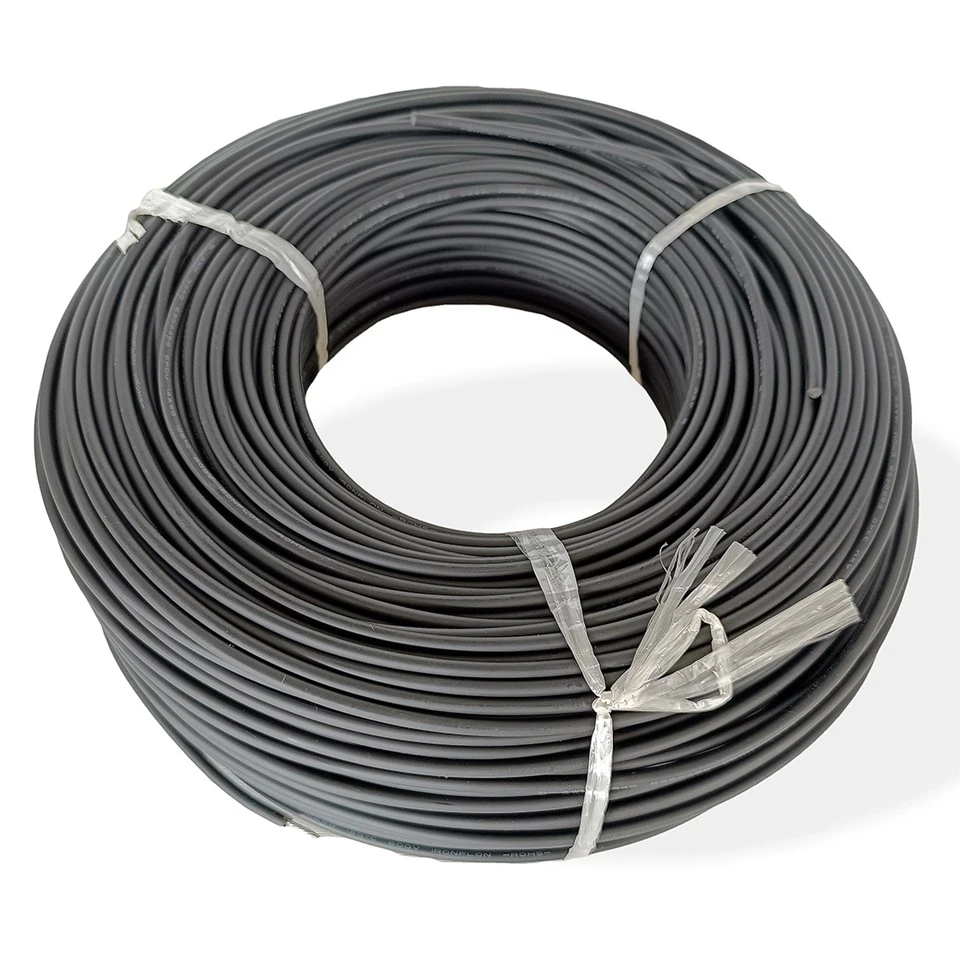

PVC Insulated Wire
PVC (Polyvinyl Chloride) insulated wire is one of the most commonly used types. It's super affordable and has a decent range of applications. You'll often find it in household electrical wiring. Why? Well, it's flexible, easy to work with, and has good electrical insulation properties. It can handle normal electrical loads in a home environment.
But it has its limitations. PVC doesn't hold up well in high - temperature environments. If it gets too hot, the insulation can start to degrade, which is a big no - no as it can lead to safety hazards. Also, it's not the best when it comes to chemical resistance. So, if you're operating in a place where there are a lot of chemicals around, PVC might not be your best bet.
Rubber Insulated Wire
Rubber insulated wire is another well - known type. Rubber has some great properties. It's extremely flexible, which makes it ideal for applications where the wire needs to bend and move around a lot. You'll often see it in things like electrical appliances with moving parts, such as power tools.
One of the big advantages of rubber insulation is its good resistance to heat. It can handle higher temperatures compared to PVC. Additionally, it has decent resistance to abrasion, so it can withstand a bit of rough treatment. However, rubber does have a tendency to deteriorate over time, especially when exposed to sunlight or ozone. So, if you're going to use it outdoors, you might want to consider some additional protection.
Teflon (PTFE) Insulated Wire
Teflon, or PTFE (Polytetrafluoroethylene), is a high - end insulation material. It's known for its outstanding electrical insulation properties. No matter how high the voltage, Teflon can handle it. That's why it's often used in high - voltage applications, like in aerospace and telecommunications.
It also has excellent chemical resistance. There aren't many chemicals that can damage Teflon insulation. And it can operate in a wide temperature range, from extremely cold to very hot. But here's the catch: Teflon is expensive. If you're on a tight budget, it might not be the most practical choice.
XLPE Insulated Wire
XLPE (Cross - Linked Polyethylene) is a type of insulated wire that's becoming more and more popular. It has great electrical properties, similar to some of the high - end materials. It can handle high voltages and has low dielectric losses.
What sets XLPE apart is its good mechanical strength. It can resist impacts and abrasion, making it suitable for underground or outdoor installations. It's also resistant to environmental stress cracking, which means it can last a long time in harsh conditions. Unlike some other types, XLPE doesn't age as quickly, so it provides long - term reliability.
UL3340 Insulated Wire
Now, let's talk about UL3340 Insulated Wire. This wire is tin - plated with EPDM (Ethylene Propylene Diene Monomer) insulation. EPDM has some great properties. It has excellent weather resistance, so it's perfect for outdoor applications. It can handle extreme temperatures, from freezing cold to scorching heat, without losing its insulation properties.
The tin - plating on the wire provides good corrosion resistance. This is important, especially if the wire is going to be used in a humid or corrosive environment. UL3340 insulated wire is often used in automotive and marine applications, where it needs to withstand tough conditions.
UL1371 FEP Insulated Wire
Another interesting type is UL1371 FEP Insulated Wire. FEP (Fluorinated Ethylene Propylene) is a fluoropolymer. It has similar properties to Teflon but is a bit more flexible.
It has excellent chemical resistance and can operate at high temperatures. It's also very smooth, which reduces friction when the wire is being installed. This makes it easier to work with, especially in complex wiring setups. UL1371 FEP insulated wire is commonly used in electronic devices and in some industrial applications where high - performance insulation is required.
Silicone Insulated Wire
Silicone insulated wire is known for its flexibility and high - temperature resistance. It can operate in temperatures up to around 200°C, which is pretty impressive. This makes it suitable for applications in ovens, heaters, and other high - heat equipment.
Silicone is also very soft and flexible, so it's easy to bend and shape. It has good electrical insulation properties and is resistant to moisture. However, it's not as strong mechanically as some other types of insulation. It can be easily damaged if it's exposed to sharp objects or excessive pulling.
Choosing the Right Insulated Wire
When you're choosing the right insulated wire for your project, there are a few things you need to consider. First, think about the environment where the wire will be used. If it's going to be outdoors, you need a wire with good weather and UV resistance, like UL3340 insulated wire. If it's for a high - voltage application, Teflon or XLPE might be better choices.
Next, consider the temperature range. If the wire will be exposed to high temperatures, you'll want something like rubber or silicone insulation. And of course, budget is always a factor. If you're on a tight budget, PVC might be the way to go.
Contact Us for Your Insulated Wire Needs
As a supplier of insulated wire, I've got a wide range of options available to meet your specific requirements. Whether you're working on a small DIY project or a large industrial installation, we can help you find the right wire. If you're interested in learning more or getting a quote, don't hesitate to reach out. We're here to assist you in making the best choice for your project.
References
- Electrical Insulation Handbook, various authors.
- Textbooks on materials science related to insulation materials.
- Industry standards and specifications for different types of insulated wires.