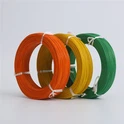
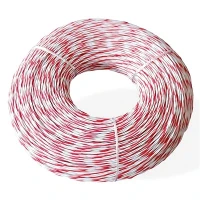
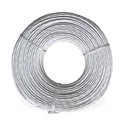
Hey there! As a supplier of PFA insulated wire, I often get asked about the proper storage conditions for this type of wire. Well, let's dive right in and explore what you need to know to keep your PFA insulated wire in top-notch condition.
First off, let's talk about why proper storage is so important. PFA (Perfluoroalkoxy) insulated wire is known for its excellent electrical properties, chemical resistance, and high-temperature performance. However, if it's not stored correctly, these properties can be compromised. This can lead to issues like insulation breakdown, reduced conductivity, and even premature failure of the wire.


Temperature
One of the most critical factors in storing PFA insulated wire is temperature. PFA is a thermoplastic, which means its properties can change with temperature. Ideally, you should store PFA insulated wire in an environment where the temperature remains relatively stable.
The recommended temperature range for storing PFA insulated wire is between -20°C and 60°C (-4°F and 140°F). Temperatures outside this range can cause the insulation to become brittle or soft, which can affect its performance. For example, if the wire is stored in a very cold environment, the insulation may crack when it's bent or flexed. On the other hand, if it's stored in a hot environment, the insulation may start to melt or deform.
It's also important to avoid sudden temperature changes. For instance, if you take the wire from a cold storage area and immediately expose it to a hot environment, it can cause thermal stress on the insulation, leading to damage.
Humidity
Humidity is another factor that can affect the storage of PFA insulated wire. High humidity levels can cause moisture to penetrate the insulation, which can lead to corrosion of the conductor and degradation of the insulation.
The recommended relative humidity for storing PFA insulated wire is between 30% and 70%. If the humidity is too high, you can use dehumidifiers to reduce the moisture in the storage area. Conversely, if the humidity is too low, the insulation may become dry and brittle, so you may need to use a humidifier to add some moisture to the air.
Light
PFA insulated wire should be stored away from direct sunlight and other sources of ultraviolet (UV) light. UV light can cause the insulation to degrade over time, leading to a reduction in its mechanical and electrical properties.
When storing the wire, make sure it's in a dark or shaded area. If you need to store it outdoors, use a cover or shelter to protect it from the sun.
Chemical Exposure
PFA is known for its excellent chemical resistance, but it's still important to keep the wire away from chemicals that can damage the insulation. Avoid storing the wire near solvents, acids, bases, and other corrosive substances.
If the wire comes into contact with chemicals, it should be cleaned immediately with a mild detergent and water. Make sure to dry the wire thoroughly before storing it again.
Physical Protection
In addition to environmental factors, you also need to protect the PFA insulated wire from physical damage. The wire should be stored in a way that prevents it from being crushed, bent, or kinked.
When storing the wire on reels or spools, make sure they are in good condition and properly supported. Avoid stacking heavy objects on top of the reels, as this can cause the wire to become deformed.
If you need to transport the wire, use appropriate packaging to protect it from damage during transit.
Storage in Different Forms
PFA insulated wire can come in different forms, such as single-strand wire, multi-strand wire, and cable assemblies. The storage conditions may vary slightly depending on the form of the wire.
- Single-strand wire: This type of wire is more flexible and less likely to be damaged by bending or flexing. However, it's still important to store it in a way that prevents it from becoming tangled or kinked. You can store single-strand wire on reels or in boxes.
- Multi-strand wire: Multi-strand wire is more flexible than single-strand wire, but it's also more prone to damage if the strands are separated or broken. When storing multi-strand wire, make sure it's coiled neatly and secured to prevent the strands from coming loose.
- Cable assemblies: Cable assemblies are pre-made wires that are often used in specific applications. These assemblies should be stored in a way that protects the connectors and other components. You can store cable assemblies in boxes or trays, making sure they are not bent or twisted.
Our Product Range
As a supplier of PFA insulated wire, we offer a wide range of products to meet your needs. We have Silver Plated Electrical Wire, which provides excellent conductivity and corrosion resistance. Our nickel plated copper wires are also a popular choice, offering good mechanical and electrical properties. And if you're looking for power wire and cable, we have power wire and cable that can handle high currents and voltages.
Contact Us for Procurement
If you're interested in purchasing PFA insulated wire or have any questions about our products, feel free to reach out to us. We're here to help you find the right wire for your application and provide you with the best storage advice to ensure its long-term performance.
In conclusion, proper storage of PFA insulated wire is crucial to maintain its quality and performance. By following the guidelines outlined above, you can ensure that your wire remains in good condition and provides reliable service for years to come.
References
- "Handbook of Electrical and Electronic Insulating Materials"
- "Perfluoroalkoxy (PFA) Polymers: Properties and Applications"