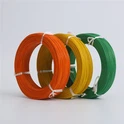
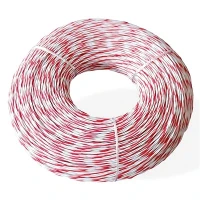
Yo, I'm a supplier of UL1508 tin plated ETFE insulated wire. You might be wondering, "What's the minimum bending radius for long - term use of this wire?" Well, let's dig into it.
Understanding UL1508 Tin Plated ETFE Insulated Wire
First off, UL1508 tin plated ETFE insulated wire is a high - performance wire. The tin - plating offers good corrosion resistance, and the ETFE insulation is known for its excellent thermal stability, chemical resistance, and electrical properties. Whether you're using it in industrial machinery, aerospace applications, or other high - demand sectors, it's a reliable option.
Why the Minimum Bending Radius Matters
The minimum bending radius is super important. If you bend the wire beyond this limit, bad things can happen. The insulation might crack, the conductor may break or kink, and the electrical performance of the wire can degrade big time. In the long run, this can lead to short circuits, power outages, and even safety hazards. For a wire that's supposed to serve you for a long time, getting the bending right is crucial.
Factors Affecting the Minimum Bending Radius
Conductor Size
The size of the conductor is a major factor. Generally, thicker conductors have a larger minimum bending radius. For example, if you have a single core power cable with a large - gauge conductor, you'll need a bigger bend to avoid damaging it. A smaller - gauge wire can handle a tighter bend. You can check out different conductor sizes in a single core power cable on our website.
Insulation Properties
The ETFE insulation on our UL1508 wire is pretty tough, but it still has its limits. The flexibility of the insulation determines how much it can bend without cracking. ETFE is known for its flexibility, but extreme bending can still cause problems. If the insulation cracks, it exposes the conductor, which can lead to all sorts of issues.
Installation Conditions
The environment where you're installing the wire also plays a role. If the installation is in a tight space, you might be tempted to bend the wire more than you should. But in a high - vibration environment, a tight bend can cause the wire to fatigue faster. You need to consider these factors when determining the minimum bending radius.
Determining the Minimum Bending Radius
There's no one - size - fits - all answer for the minimum bending radius. However, as a general rule of thumb, for UL1508 tin plated ETFE insulated wire, the minimum bending radius is usually around 5 to 10 times the outer diameter of the wire.
For smaller - gauge wires, you can often get away with a bending radius closer to 5 times the outer diameter. But for larger - gauge wires or those with multiple conductors, you might need a bending radius of up to 10 times the outer diameter.
Let's say you have a wire with an outer diameter of 2 mm. A safe minimum bending radius for long - term use would be between 10 mm (5 times 2 mm) and 20 mm (10 times 2 mm).
Case Studies: Real - World Impact of Bending Radius
I've seen it happen in the field. A customer installed a UL10086 Teflon wire in a machine with a tight bend. They didn't pay attention to the minimum bending radius. After a few months of operation, the insulation started to crack, and the machine started having electrical problems. It was a costly mistake that could have been avoided if they had followed the right bending guidelines.
On the other hand, a different customer made sure to follow the recommended bending radius when installing our UL10109 ETFE Insulated Wire. They've been using the wire for years without any issues. The proper bending radius helped to maintain the integrity of the wire and ensured long - term performance.
Tips for Proper Wire Bending
- Use the Right Tools: There are special wire - bending tools available that can help you achieve the correct bending radius. Don't try to bend the wire by hand if it's a large - gauge wire.
- Plan Your Installation: Before you start installing the wire, take a look at the space and plan how you're going to route the wire. Make sure you have enough room to bend the wire within the recommended radius.
- Inspect the Wire: After bending, inspect the wire for any signs of damage. Look for cracks in the insulation or kinks in the conductor.
Conclusion
So, in a nutshell, the minimum bending radius for long - term use of UL1508 tin plated ETFE insulated wire is a crucial factor that can't be overlooked. It's influenced by conductor size, insulation properties, and installation conditions. By following the general guidelines of 5 to 10 times the outer diameter of the wire and taking proper installation steps, you can ensure the long - term performance and safety of your wiring system.


If you're in the market for high - quality UL1508 tin plated ETFE insulated wire or have any questions about the minimum bending radius or other technical aspects, don't hesitate to reach out. We're here to help you make the right choices for your projects.
References
- Electrical Wiring Handbook, various editions
- UL1508 Standard Documentation