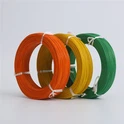
As a supplier of UL1332 tin plated FEP insulated wire, I often encounter inquiries regarding the chemical resistance of this particular product. Understanding the chemical resistance of UL1332 tin plated FEP insulated wire is crucial for various industries, especially those operating in harsh chemical environments. In this blog post, I will delve into the topic of chemical resistance, exploring what it means for UL1332 tin plated FEP insulated wire and why it matters.
Understanding Chemical Resistance
Chemical resistance refers to a material's ability to withstand the effects of exposure to various chemicals without significant degradation. When it comes to wires and cables, chemical resistance is essential as it ensures the long - term performance and reliability of the product. Chemicals can cause a range of problems, including corrosion, swelling, cracking, and loss of electrical properties.
UL1332 tin plated FEP insulated wire is designed to provide excellent chemical resistance. The tin plating on the conductor offers protection against oxidation and corrosion, while the FEP (Fluorinated Ethylene Propylene) insulation provides a high level of resistance to a wide variety of chemicals.
FEP Insulation: A Key to Chemical Resistance
FEP is a fluoropolymer known for its outstanding chemical resistance. It has a highly stable molecular structure that makes it resistant to many aggressive chemicals, including acids, bases, solvents, and oils. FEP insulation on UL1332 wires forms a protective barrier around the conductor, preventing chemicals from coming into direct contact with the metal and causing damage.
Acids are common chemicals in many industrial processes. Strong acids such as sulfuric acid and hydrochloric acid can be extremely corrosive to metals. However, FEP insulation on UL1332 tin plated wires can resist the attack of these acids. This is because the fluorine atoms in the FEP polymer chain create a strong bond that is difficult for acid molecules to break.
Bases, such as sodium hydroxide, can also pose a threat to wires and cables. FEP insulation is resistant to the effects of most bases, maintaining its integrity even when exposed to high - concentration alkaline solutions. This makes UL1332 tin plated FEP insulated wire suitable for use in industries where bases are used, such as the chemical manufacturing and water treatment industries.
Solvents are another category of chemicals that can affect the performance of wires. Organic solvents like acetone, toluene, and ethanol are commonly used in cleaning, painting, and adhesive applications. FEP insulation has low solubility in these solvents, which means it will not swell or dissolve when in contact with them. This property ensures that the electrical insulation of the UL1332 wire remains intact, even in solvent - rich environments.
Oils, both mineral and synthetic, are present in many industrial and automotive applications. FEP insulation is resistant to the effects of oils, preventing them from penetrating the insulation and causing damage to the conductor. This is particularly important in applications where the wire may come into contact with lubricating oils or hydraulic fluids.
Tin Plating: Added Protection
The tin plating on the conductor of UL1332 wire provides an additional layer of protection against chemical attack. Tin is a relatively inert metal that forms a thin oxide layer on its surface when exposed to air. This oxide layer acts as a barrier, preventing further oxidation and corrosion of the underlying metal.
In addition to protecting against oxidation, tin plating can also provide some resistance to certain chemicals. For example, tin is resistant to the effects of weak acids and alkalis. While the primary function of tin plating is to improve the solderability of the wire, it also contributes to the overall chemical resistance of the UL1332 tin plated FEP insulated wire.
Applications Benefiting from Chemical Resistance
The excellent chemical resistance of UL1332 tin plated FEP insulated wire makes it suitable for a wide range of applications. In the chemical industry, these wires can be used in chemical processing plants, where they are exposed to various corrosive chemicals. They can be used for instrumentation, control systems, and power distribution within the plant.
The pharmaceutical industry also benefits from the chemical resistance of UL1332 wires. In pharmaceutical manufacturing, wires need to be resistant to cleaning agents and disinfectants, which are often strong chemicals. UL1332 tin plated FEP insulated wire can ensure reliable operation in these environments.
The food and beverage industry requires wires that are resistant to food - grade chemicals and cleaning agents. UL1332 wire, with its chemical - resistant FEP insulation, can be used in food processing equipment, ensuring compliance with hygiene standards and reliable performance.
Comparing with Other Wires
When compared to other types of insulated wires, UL1332 tin plated FEP insulated wire stands out for its superior chemical resistance. For example, PVC (Polyvinyl Chloride) insulated wires are not as resistant to chemicals as FEP - insulated wires. PVC can be easily attacked by solvents, acids, and bases, which can lead to cracking and loss of insulation properties.
Another alternative is polyethylene - insulated wire. While polyethylene has good electrical properties, it has limited chemical resistance compared to FEP. Polyethylene can be affected by some solvents and oils, which may cause swelling and degradation of the insulation.
If you are interested in other FEP - insulated wire products, you can check out our UL10203 FEP Power Wire and UL1332 FEP Wire Cable and UL1332 FEP Wire. These products also offer high - quality FEP insulation with excellent performance characteristics.
Ensuring Long - Term Performance
To ensure the long - term performance of UL1332 tin plated FEP insulated wire in chemical environments, proper installation and maintenance are essential. During installation, it is important to avoid damage to the insulation, as even small cuts or abrasions can allow chemicals to penetrate the wire.
Regular inspection of the wires is also necessary. Look for signs of swelling, cracking, or discoloration of the insulation, which may indicate chemical damage. If any damage is detected, the affected wires should be replaced immediately to prevent further problems.

Conclusion
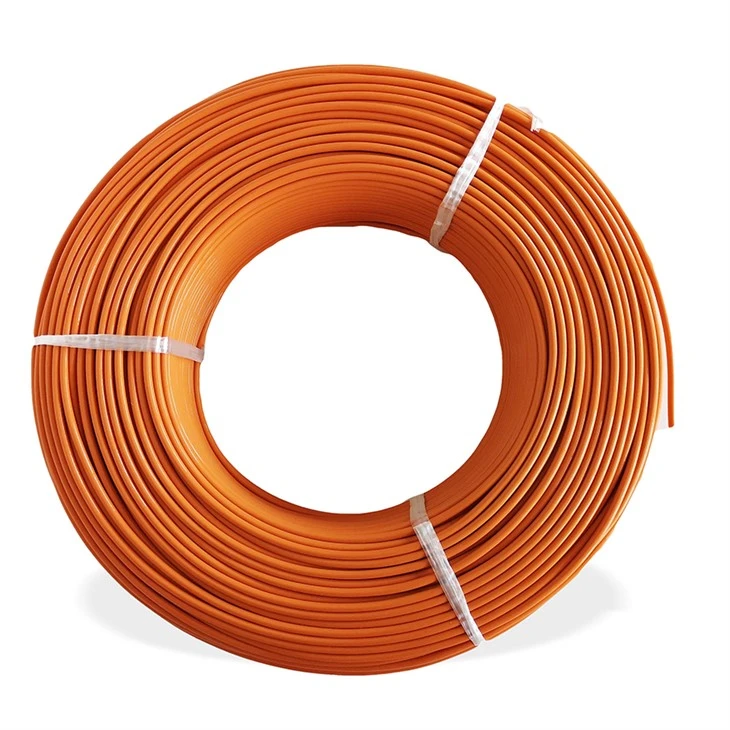
The chemical resistance of UL1332 tin plated FEP insulated wire is one of its most significant advantages. The combination of tin plating and FEP insulation provides excellent protection against a wide range of chemicals, making it suitable for use in many industries. Whether you are in the chemical, pharmaceutical, or food and beverage industry, UL1332 tin plated FEP insulated wire can offer reliable performance in harsh chemical environments.
If you are looking for a high - quality wire with excellent chemical resistance, we invite you to contact us for a procurement discussion. We can provide you with detailed product information and help you select the right wire for your specific application.
References
- "Handbook of Fluoropolymer Science and Technology"
- "Electrical Wires and Cables: Design, Application, and Installation"