What is the density of UL10064 tin plated FEP insulated wire?
As a supplier of UL10064 tin plated FEP insulated wire, I often encounter various technical inquiries from customers. One of the frequently asked questions is about the density of this type of wire. In this blog post, I will delve into the concept of density in relation to UL10064 tin plated FEP insulated wire, explain its significance, and provide some insights into how it impacts the performance and application of the wire.
Understanding the Components of UL10064 Tin Plated FEP Insulated Wire
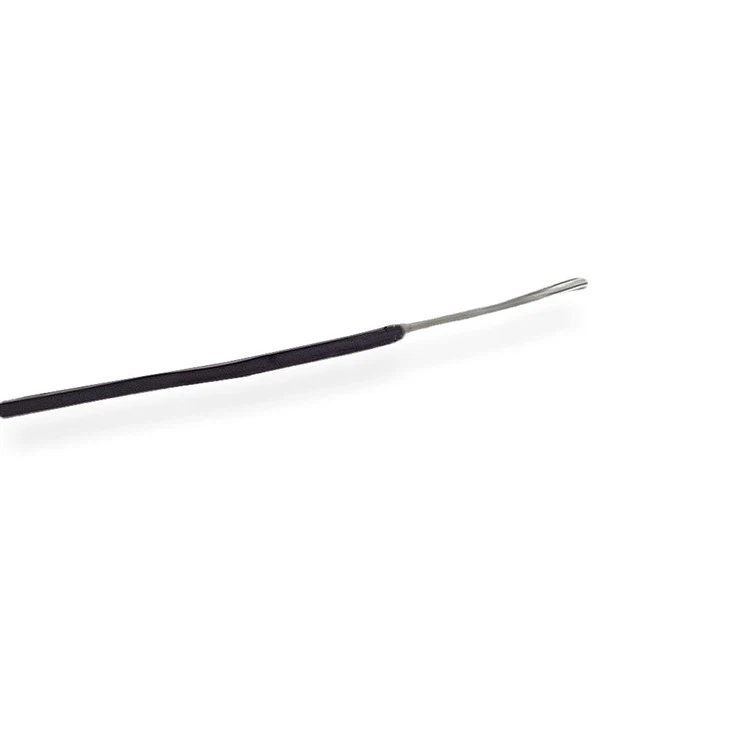
Before we discuss the density, let's first understand the structure of UL10064 tin plated FEP insulated wire. This wire consists of two main components: the tin - plated conductor and the FEP (Fluorinated Ethylene Propylene) insulation.
The tin - plated conductor is typically made of copper. Tin plating is applied to the copper conductor for several reasons. It enhances the solderability of the wire, protects the copper from oxidation, and improves the overall conductivity. Copper is a well - known conductor with excellent electrical properties, and the tin plating further enhances its performance in specific applications.
The FEP insulation is a type of fluoropolymer. FEP is known for its outstanding chemical resistance, high - temperature stability, and low dielectric constant. These properties make it an ideal choice for insulating wires in various harsh environments, such as high - temperature industrial settings or applications where exposure to chemicals is likely.
Defining Density in the Context of Wire
Density, in the context of UL10064 tin plated FEP insulated wire, refers to the mass per unit volume of the wire. It is a physical property that can be used to characterize the wire and has implications for its performance and handling.
The density of the wire is influenced by the densities of its individual components. The density of copper is approximately 8.96 g/cm³, and the density of tin is about 7.31 g/cm³. When copper is tin - plated, the overall density of the conductor will be a combination of the densities of copper and tin, depending on the thickness of the tin plating.
FEP has a density in the range of about 2.14 - 2.17 g/cm³. This relatively low density compared to metals like copper and tin is one of the reasons why FEP is a popular choice for insulation, as it helps to keep the overall weight of the wire down.
To calculate the density of the entire UL10064 tin plated FEP insulated wire, we need to consider the volume and mass of both the conductor and the insulation. The volume of the conductor can be calculated based on its cross - sectional area and length, and the same applies to the insulation. By adding the masses of the conductor and the insulation and dividing by the total volume, we can obtain the density of the wire.
Significance of Density in Wire Applications
The density of UL10064 tin plated FEP insulated wire has several important implications for its applications.
Weight Considerations: In applications where weight is a critical factor, such as aerospace or automotive industries, the density of the wire matters. A lower - density wire can help reduce the overall weight of the system, which in turn can lead to improved fuel efficiency (in the case of vehicles) or reduced payload requirements (in the case of aircraft).
Mechanical Properties: Density can also be related to the mechanical properties of the wire. A wire with a higher density may be more rigid and less flexible, while a lower - density wire may be more pliable. This can affect how the wire is installed and routed in a system. For example, in applications where the wire needs to be bent or coiled, a more flexible, lower - density wire may be preferred.
Thermal Performance: The density of the wire can influence its thermal performance. A wire with a higher density may have a higher heat capacity, which means it can absorb more heat before its temperature rises significantly. This can be beneficial in applications where the wire is likely to generate or be exposed to a large amount of heat.
Factors Affecting the Density of UL10064 Tin Plated FEP Insulated Wire
Several factors can affect the density of UL10064 tin plated FEP insulated wire.
Conductor Size: The size of the conductor, typically specified by its gauge, can impact the density. A larger - gauge wire will have a greater cross - sectional area and more mass, which can increase the overall density of the wire.
Tin Plating Thickness: As mentioned earlier, the thickness of the tin plating on the copper conductor affects the density of the conductor. A thicker tin plating will increase the mass of the conductor and, consequently, the density of the wire.
Insulation Thickness: The thickness of the FEP insulation also plays a role. A thicker insulation layer will add more mass to the wire, increasing its density. However, it also provides better insulation and protection for the conductor.
Measuring the Density of UL10064 Tin Plated FEP Insulated Wire
Measuring the density of UL10064 tin plated FEP insulated wire can be a complex process. One common method is to use a precision balance to measure the mass of a known length of wire and then calculate the volume of the wire based on its dimensions. The density is then obtained by dividing the mass by the volume.
Another approach is to use more advanced techniques, such as pycnometry. Pycnometry involves measuring the volume of a sample by displacement of a fluid. This method can provide more accurate results, especially for wires with complex geometries or in cases where high precision is required.
Applications of UL10064 Tin Plated FEP Insulated Wire and the Role of Density
UL10064 tin plated FEP insulated wire is used in a wide range of applications.
Electronics: In the electronics industry, this wire is often used for internal wiring in electronic devices. The low density of the FEP insulation helps to keep the weight of the devices down, while the excellent electrical properties of the tin - plated copper conductor ensure reliable signal transmission.
Industrial Automation: In industrial automation systems, the wire is used for connecting sensors, actuators, and control units. The high - temperature stability and chemical resistance of the FEP insulation make it suitable for harsh industrial environments, and the density of the wire can be optimized for easy installation and routing.
Medical Equipment: In medical equipment, where reliability and safety are of utmost importance, UL10064 tin plated FEP insulated wire is used. The low density of the wire can be beneficial in portable medical devices, as it helps to reduce the overall weight of the equipment, making it more convenient for use.
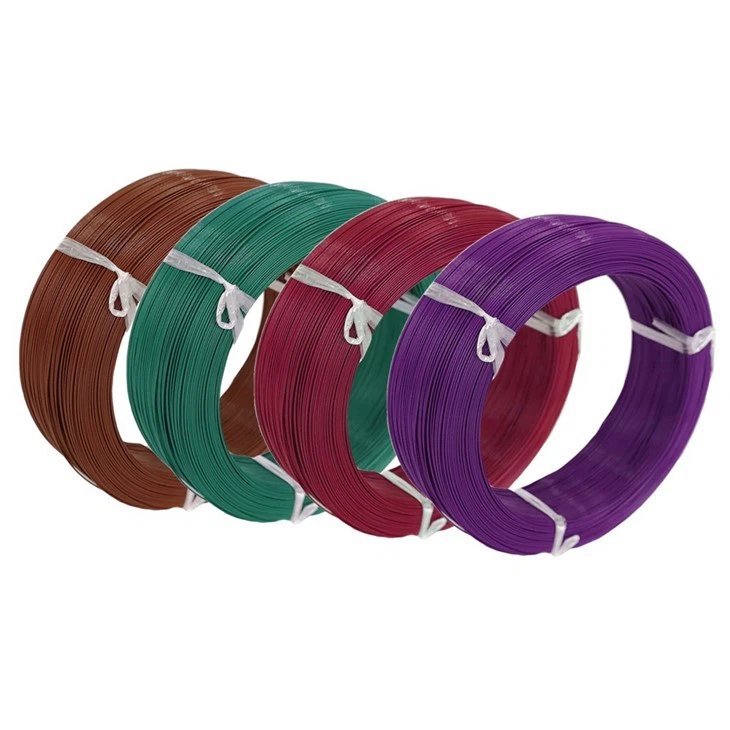
If you are interested in UL electrical wire, high voltage wire cable or insulated nichrome heating wire, our UL10064 tin plated FEP insulated wire may also meet your needs.
Conclusion
The density of UL10064 tin plated FEP insulated wire is a complex physical property that is influenced by the densities of its components (tin - plated copper conductor and FEP insulation), as well as factors such as conductor size, tin plating thickness, and insulation thickness. It has significant implications for the wire's performance, handling, and applications. Understanding the density of the wire can help customers make informed decisions when selecting the right wire for their specific needs.
If you are in the market for UL10064 tin plated FEP insulated wire or have questions about its density or other properties, please feel free to contact us. We are a professional supplier with extensive experience in providing high - quality wires, and we are ready to assist you in finding the best solution for your application.
References
- CRC Handbook of Chemistry and Physics. This comprehensive reference provides detailed information on the physical properties of various materials, including copper, tin, and FEP.
- Manufacturer's specifications for UL10064 tin plated FEP insulated wire. These documents provide specific details about the wire's composition, dimensions, and performance characteristics.
- Industry standards and guidelines related to wire manufacturing and application, which can offer insights into the requirements and best practices for using UL10064 tin plated FEP insulated wire.