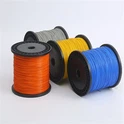
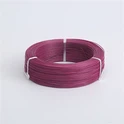
In the realm of electrical engineering, electromagnetic compatibility (EMC) is a critical factor that ensures the proper functioning of electronic devices and systems. It refers to the ability of electrical and electronic equipment to operate in its electromagnetic environment without causing interference to other equipment and without being affected by the electromagnetic emissions of other equipment. UL1643 ETFE insulated wire is a type of wire commonly used in various applications, and the effect of tin plating on its EMC is a topic of great interest. As a supplier of UL1643 tin plated ETFE insulated wire, I will delve into this topic in detail in this blog.
Understanding UL1643 ETFE Insulated Wire
UL1643 is a standard established by Underwriters Laboratories (UL) for hook-up wires. ETFE (Ethylene Tetrafluoroethylene) is a fluoropolymer known for its excellent electrical properties, high temperature resistance, chemical resistance, and mechanical strength. UL1643 ETFE insulated wire is widely used in applications such as aerospace, automotive, telecommunications, and industrial equipment, where high performance and reliability are required.
The Role of Tin Plating
Tin plating is a common surface treatment process for copper conductors in electrical wires. It involves depositing a thin layer of tin on the surface of the copper conductor. There are several reasons for tin plating copper conductors:


1. Corrosion Resistance
Copper is prone to oxidation when exposed to air and moisture, which can form a layer of copper oxide on the surface. This oxide layer can increase the contact resistance and degrade the electrical performance of the wire over time. Tin plating provides a protective barrier that prevents the copper from coming into direct contact with the surrounding environment, thus reducing the risk of corrosion and maintaining the electrical conductivity of the conductor.
2. Solderability
Tin has excellent solderability, which means it can easily form a strong bond with solder during the soldering process. This is crucial for ensuring reliable electrical connections in electronic circuits. Tin-plated copper conductors make it easier to solder the wire to other components, reducing the likelihood of cold solder joints and improving the overall quality of the electrical connections.
3. Lubrication
Tin plating can also act as a lubricant during the wire drawing and stranding processes. It reduces the friction between the wire and the dies, making it easier to produce wires with consistent dimensions and better surface finish.
Impact on Electromagnetic Compatibility
Now, let's focus on how tin plating affects the EMC of UL1643 ETFE insulated wire.
1. Conductivity and Shielding
The conductivity of the conductor is an important factor in determining the electromagnetic shielding effectiveness of the wire. Tin has a lower electrical conductivity than copper. However, the thickness of the tin plating is usually very thin (on the order of microns), so the overall conductivity of the tin-plated copper conductor is still mainly determined by the copper core. In most cases, the effect of tin plating on the electrical conductivity of the conductor is negligible, and the wire can still provide effective electromagnetic shielding.
Shielding is essential for reducing electromagnetic interference (EMI) in electrical systems. A well-shielded wire can prevent the electromagnetic fields generated by the current flowing through the conductor from radiating into the surrounding environment and also protect the wire from external electromagnetic interference. Tin plating can enhance the shielding effectiveness of the wire by providing an additional conductive layer. The tin layer can act as a secondary shield, helping to redirect and absorb the electromagnetic energy, thus reducing the EMI.
2. Grounding and Bonding
Proper grounding and bonding are crucial for achieving good EMC. Tin-plated conductors can improve the grounding and bonding performance of the wire. The tin layer provides a more stable and corrosion-resistant surface for making electrical connections to the ground or other conductive components. This ensures a low-resistance path for the flow of electrical current, which is essential for dissipating the electromagnetic energy and reducing the risk of EMI.
3. Signal Integrity
In high-speed data transmission applications, signal integrity is of utmost importance. Any interference or distortion in the signal can lead to errors and data loss. Tin plating can help maintain the signal integrity of the UL1643 ETFE insulated wire. By reducing the corrosion and oxidation of the conductor, tin plating ensures a more stable electrical environment, which is beneficial for the accurate transmission of electrical signals.
Applications and Benefits
The improved EMC performance of tin-plated UL1643 ETFE insulated wire makes it suitable for a wide range of applications.
1. Aerospace and Aviation
In the aerospace and aviation industries, where the electromagnetic environment is complex and the reliability requirements are extremely high, tin-plated UL1643 ETFE insulated wire can provide reliable electrical connections and effective EMI shielding. It is used in aircraft wiring harnesses, avionics systems, and communication equipment to ensure the proper functioning of critical systems.
2. Automotive Electronics
The automotive industry is increasingly relying on electronic systems for various functions such as engine control, safety systems, and infotainment. Tin-plated UL1643 ETFE insulated wire can help reduce the EMI generated by these electronic systems and protect them from external interference. This is crucial for ensuring the safety and performance of modern vehicles.
3. Telecommunications
In telecommunications networks, high-speed data transmission and reliable communication are essential. Tin-plated UL1643 ETFE insulated wire can be used in network infrastructure, such as data centers and telecommunications equipment, to maintain the signal integrity and reduce the EMI, thus improving the overall performance of the network.
Comparison with Other Wires
When compared with other types of insulated wires, such as silicone insulated copper wire and single core control cable, tin-plated UL1643 ETFE insulated wire offers several advantages in terms of EMC.
Silicone insulated copper wire is known for its flexibility and high temperature resistance. However, its EMC performance may be inferior to that of tin-plated UL1643 ETFE insulated wire, especially in terms of shielding effectiveness and signal integrity. Single core control cable is commonly used in industrial control systems, but it may not provide the same level of EMC protection as tin-plated UL1643 ETFE insulated wire, which is designed for high-performance applications.
Conclusion
In conclusion, tin plating has a positive effect on the electromagnetic compatibility of UL1643 ETFE insulated wire. It enhances the corrosion resistance, solderability, and shielding effectiveness of the wire, which are all important factors for achieving good EMC. Tin-plated UL1643 ETFE insulated wire is suitable for a wide range of applications where high performance and reliability are required.
If you are looking for a high-quality UL1643 tin plated ETFE insulated wire for your project, we are here to help. Our high heat resistant wire is manufactured to the highest standards and offers excellent EMC performance. Please feel free to contact us to discuss your specific requirements and explore how our products can meet your needs.
References
- "Electromagnetic Compatibility Engineering" by Henry W. Ott.
- "Handbook of Electrical and Electronic Insulating Materials" by Charles A. Hampel.
- UL1643 Standard for Hook-Up Wires, Underwriters Laboratories.