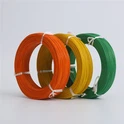
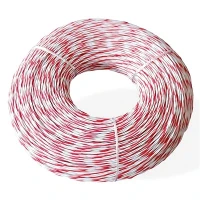
Hey there! As a supplier of UL1508 tin plated ETFE insulated wire, I've been getting a lot of questions about its environmental impact. So, I thought I'd break it down and share what I know.
First off, let's talk about what UL1508 tin plated ETFE insulated wire is. ETFE stands for ethylene tetrafluoroethylene, which is a high-performance fluoropolymer. It's known for its excellent chemical resistance, high temperature tolerance, and low friction. The tin plating on the wire provides additional protection against corrosion. This type of wire is commonly used in a variety of applications, including aerospace, automotive, and industrial settings.
Now, let's get into the environmental impact. One of the main concerns with any type of wire is the materials used in its production. ETFE is a synthetic polymer, and like all synthetic materials, it has an environmental footprint. The production of ETFE involves the use of various chemicals and energy, which can contribute to greenhouse gas emissions and other environmental issues. However, compared to some other types of insulation materials, ETFE has some advantages.
For example, ETFE has a relatively long lifespan. This means that the wire doesn't need to be replaced as often, reducing the amount of waste generated. Additionally, ETFE is highly resistant to chemicals and UV radiation, which means it can withstand harsh environmental conditions without degrading. This can reduce the need for frequent maintenance and replacement, further reducing waste.
Another factor to consider is the energy efficiency of UL1508 wire. Because ETFE has a low dielectric constant, it can reduce the amount of energy lost during transmission. This means that less energy is required to power the electrical systems that use this wire, which can help to reduce overall energy consumption and greenhouse gas emissions.
However, it's important to note that the environmental impact of UL1508 wire also depends on how it's used and disposed of. If the wire is not properly recycled at the end of its lifespan, it can end up in landfills, where it can take hundreds of years to decompose. To minimize the environmental impact, it's important to recycle the wire whenever possible. Many recycling facilities accept electronic waste, including wire, and can recycle the materials to be used in new products.
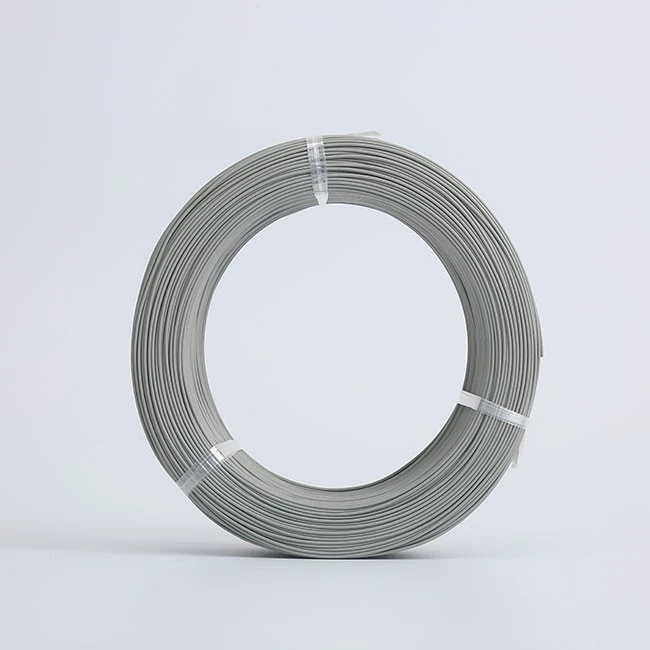

In addition to recycling, there are other steps that can be taken to reduce the environmental impact of using UL1508 wire. For example, using energy-efficient electrical systems and appliances can help to reduce the overall demand for electricity, which can in turn reduce the amount of energy needed to power the wire. Additionally, choosing products that are made from sustainable materials and have a low environmental impact can help to reduce the overall environmental footprint of the electrical industry.
Now, let's talk about some of the benefits of using UL1508 wire. As I mentioned earlier, ETFE has excellent chemical resistance and high temperature tolerance, which makes it ideal for use in harsh environments. It's also lightweight and flexible, which makes it easy to install and use. Additionally, the tin plating on the wire provides additional protection against corrosion, which can extend the lifespan of the wire.
If you're in the market for high-quality wire, you might also be interested in our UL1671 High quality wire. This wire is also made with ETFE insulation and tin plating, and it's designed for use in a variety of applications. It has a high level of flexibility and durability, making it a great choice for demanding environments.
Another option is our high heat resistant wire. This wire is specifically designed to withstand high temperatures, making it ideal for use in applications where heat is a concern. It's also made with ETFE insulation and tin plating, which provides excellent protection against corrosion and other environmental factors.
In conclusion, UL1508 tin plated ETFE insulated wire has both environmental benefits and challenges. While the production of ETFE has an environmental footprint, the wire's long lifespan, energy efficiency, and resistance to harsh conditions can help to reduce its overall impact. By recycling the wire at the end of its lifespan and taking other steps to reduce energy consumption, we can minimize the environmental impact of using this type of wire.