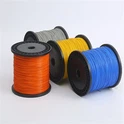
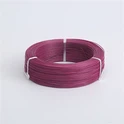
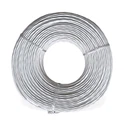
Flexibility is a crucial characteristic when it comes to PFA insulated wire, especially in various industrial and electrical applications. As a supplier of PFA insulated wire, I've witnessed firsthand how this flexibility can significantly impact the performance and usability of the wire in different scenarios.
Understanding PFA Insulated Wire
PFA, or Perfluoroalkoxy, is a fluoropolymer known for its excellent chemical resistance, high-temperature stability, and electrical insulation properties. PFA insulated wire consists of a conductor, typically copper, surrounded by a layer of PFA insulation. This insulation not only protects the conductor from environmental factors but also provides electrical isolation.
The flexibility of PFA insulated wire is one of its standout features. Unlike some other types of insulated wires, PFA insulated wire can be bent, twisted, and routed easily without compromising its integrity. This flexibility is due to the unique properties of the PFA material itself. PFA has a relatively low modulus of elasticity, which means it can deform under stress and return to its original shape without permanent damage.
Applications Benefiting from Flexibility
1. Aerospace and Aviation
In the aerospace and aviation industries, space is often limited, and wires need to be routed through tight spaces and around complex structures. The flexibility of PFA insulated wire makes it an ideal choice for these applications. It can be easily bent and shaped to fit into the confined areas of an aircraft's electrical system, ensuring efficient use of space. For example, in avionics systems, where multiple wires are required to connect various components, PFA insulated wire can be neatly arranged and routed without causing interference. You can find more information about Insulated Electrical Copper Wire suitable for such applications on our website.
2. Robotics
Robots are becoming increasingly common in manufacturing, logistics, and other industries. These machines require flexible wiring to allow for their complex movements. PFA insulated wire can withstand the repeated bending and flexing that occurs during the operation of robots. It ensures reliable electrical connections even when the robot's joints are in constant motion. This is crucial for maintaining the functionality and safety of the robotic system.
3. Medical Equipment
Medical devices often require flexible wiring to accommodate patient movement and the need for easy installation and adjustment. PFA insulated wire is biocompatible and can be used in applications such as medical imaging equipment, patient monitoring devices, and surgical instruments. Its flexibility allows it to be integrated into the design of these devices without adding unnecessary bulk or stiffness.
Factors Affecting Flexibility
1. Conductor Size and Configuration
The size and configuration of the conductor inside the PFA insulated wire can affect its flexibility. Smaller gauge conductors are generally more flexible than larger ones. Additionally, stranded conductors are more flexible than solid conductors because the individual strands can move relative to each other when the wire is bent. When selecting PFA insulated wire, it's important to consider the specific requirements of the application in terms of conductor size and configuration to ensure optimal flexibility.
2. Insulation Thickness
The thickness of the PFA insulation also plays a role in the wire's flexibility. Thicker insulation can make the wire stiffer, while thinner insulation allows for greater flexibility. However, it's important to balance flexibility with the need for adequate insulation protection. In applications where the wire may be exposed to harsh environments or high voltages, a thicker insulation may be necessary.
3. Temperature
Temperature can have an impact on the flexibility of PFA insulated wire. At low temperatures, the PFA material may become more brittle, reducing its flexibility. On the other hand, at high temperatures, the wire may become more pliable but could also be at risk of damage if the temperature exceeds the material's maximum operating temperature. It's important to select PFA insulated wire that is rated for the temperature range of the intended application.


Testing and Quality Assurance
As a PFA insulated wire supplier, we conduct rigorous testing to ensure the flexibility and quality of our products. We perform bend tests to simulate the real-world conditions that the wire may encounter. These tests involve bending the wire a specified number of times at a given radius and angle to evaluate its resistance to fatigue and damage. We also test the wire's electrical properties before and after the bend tests to ensure that there is no significant degradation in performance.
In addition to bend tests, we also test the wire's chemical resistance, temperature stability, and other important properties. Our quality control processes ensure that every batch of PFA insulated wire meets or exceeds industry standards. For example, our UL1726 PFA Insulated Wire and UL1727 Teflon wire are both tested and certified to meet the relevant UL standards.
Choosing the Right PFA Insulated Wire
When choosing PFA insulated wire, it's important to consider the specific requirements of your application. Here are some key factors to keep in mind:
- Flexibility Requirements: Determine the level of flexibility needed based on the application's installation and operating conditions. Consider factors such as the required bend radius, the frequency of bending, and the space available for wire routing.
- Electrical Requirements: Consider the voltage, current, and signal requirements of the application. Choose a wire with the appropriate conductor size and insulation thickness to ensure reliable electrical performance.
- Environmental Conditions: Take into account the temperature, humidity, chemical exposure, and other environmental factors that the wire may be exposed to. Select a wire that is rated for the specific environmental conditions of your application.
Conclusion
The flexibility of PFA insulated wire is a valuable property that makes it suitable for a wide range of applications. Whether it's in aerospace, robotics, medical equipment, or other industries, the ability to bend and shape the wire without compromising its performance is essential. As a PFA insulated wire supplier, we are committed to providing high-quality products that meet the diverse needs of our customers. If you are interested in learning more about our PFA insulated wire products or have specific requirements for your application, please feel free to contact us for a detailed discussion and potential procurement.
References
- "Handbook of Fluoropolymer Science and Technology"
- Industry standards and guidelines related to PFA insulated wire