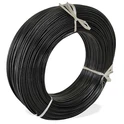
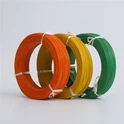
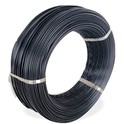
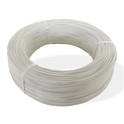
When it comes to understanding the physical properties of the materials we use, especially in the realm of electrical components, we enter a world of technical detail that can be both fascinating and incredibly important. As a supplier of ETFE insulated wire, I've encountered many questions from clients and industry enthusiasts about the minimum operating temperature of ETFE insulated wire. In this blog, I'll explore this topic, delving into the science behind it and its practical implications in real - world applications.


What is ETFE Insulated Wire?
ETFE, or Ethylene Tetrafluoroethylene, is a fluoropolymer known for its exceptional chemical and physical properties. When used as an insulation material for wire, it provides protection for the conductive core, ensuring safety and maintaining electrical performance. ETFE insulated wires are renowned for their high melting points, excellent resistance to chemicals, and remarkable mechanical strength. They are commonly used in a wide range of applications, from aerospace and automotive industries to consumer electronics, where reliability and performance under extreme conditions are crucial.
Understanding the Minimum Operating Temperature
The minimum operating temperature of a material is defined as the lowest temperature at which it can function effectively and safely within its designed specifications. For ETFE insulated wire, this temperature is not just a random number; it is determined by a combination of factors related to the properties of the ETFE insulation itself and the interaction with the wire core.
Properties of ETFE at Low Temperatures
ETFE has a unique molecular structure that gives it impressive low - temperature performance. At low temperatures, the molecular motion of ETFE slows down, but unlike some other polymers, it does not become brittle or lose its dielectric properties. This is due to its flexible molecular chains, which can still maintain a certain degree of mobility even in cold environments.
Research has shown that ETFE retains its ductility at temperatures as low as - 65°C (- 85°F). This means that the insulation material can withstand bending and mechanical stress without cracking or breaking, which is essential for maintaining the integrity of the wire.
Impact on Electrical Performance
The electrical performance of ETFE insulated wire is also affected by temperature. At low temperatures, the resistance of the wire core may change slightly, but the insulation properties of ETFE remain relatively stable. The dielectric constant, which measures the ability of the insulation to store electrical energy, does not vary significantly within the typical low - temperature operating range of ETFE insulated wire.
This stability in electrical performance is critical for applications where precise electrical signals need to be transmitted, such as in aerospace avionics systems or high - precision industrial control systems.
Real - World Applications and the Minimum Operating Temperature
The minimum operating temperature of ETFE insulated wire has a significant impact on its real - world applications. Here are some examples:
Aerospace Industry
In the aerospace industry, equipment is often exposed to extreme temperatures, especially during high - altitude flights or space missions. ETFE insulated wires are used in various electrical systems, including navigation, communication, and control systems. The ability of these wires to operate at low temperatures ensures that the vital electrical functions of the aircraft or spacecraft are maintained even in the coldest environments of the upper atmosphere or outer space.
Automotive Industry
In modern vehicles, especially electric and hybrid cars, there are numerous electrical systems that require reliable wiring. ETFE insulated wires are used in battery management systems, powertrain control units, and other critical components. In cold climates, these wires need to continue functioning correctly to ensure the safe and efficient operation of the vehicle. The low - temperature stability of ETFE insulation makes it an ideal choice for automotive applications.
Industrial Automation
Industrial automation systems often operate in harsh environments, including cold warehouses or freezers. ETFE insulated wires are used to connect sensors, actuators, and control equipment. The ability to operate at low temperatures ensures that these systems function reliably, reducing downtime and maintenance costs.
Comparing with Other Insulation Materials
It's also interesting to compare the minimum operating temperature of ETFE insulated wire with other common insulation materials.
Silicone Insulated Copper Wire
Silicone insulated copper wire is another popular choice for electrical insulation. While silicone has good flexibility and heat resistance, its performance at low temperatures is not as good as ETFE. Silicone can become stiffer at low temperatures, and it may lose some of its insulating properties, increasing the risk of electrical breakdown.
Tinned Stranded Wire
Tinned stranded wire often uses different insulation materials, and the minimum operating temperature can vary depending on the specific insulation. However, in general, ETFE insulated tinned stranded wire has a better low - temperature performance compared to many other types of insulation, which makes it more suitable for applications in cold environments.
Factors Affecting the Minimum Operating Temperature in Practice
While the theoretical minimum operating temperature of ETFE insulated wire is around - 65°C, in practice, several factors can affect its performance at low temperatures:
Mechanical Stress
If the wire is subjected to excessive mechanical stress at low temperatures, such as sharp bending or twisting, it may cause damage to the ETFE insulation. This can lead to a reduction in the insulation's effectiveness and potentially compromise the safety and performance of the wire.
Contamination
Contamination from chemicals, moisture, or dirt can also affect the performance of ETFE insulated wire at low temperatures. For example, if moisture penetrates the insulation, it can freeze at low temperatures, causing the insulation to crack or lose its electrical properties.
Our UL1516 High - Quality Wire
As a supplier, we are committed to providing high - quality ETFE insulated wire. Our UL1516 High quality wire meets strict industry standards and is designed to perform reliably even at low temperatures. We conduct rigorous testing on our products to ensure that they can withstand the challenges of real - world applications.
Conclusion and Call to Action
Understanding the minimum operating temperature of ETFE insulated wire is crucial for selecting the right wiring solution for your specific application. Whether you are working in the aerospace, automotive, or industrial automation industry, the low - temperature performance of your wires can have a significant impact on the reliability and safety of your systems.
If you are interested in purchasing high - quality ETFE insulated wire for your projects, we are here to help. We have a wide range of products to meet your different needs, and our team of experts can provide you with professional advice. Contact us to start a discussion about your requirements, and let's work together to find the best wiring solution for your application.
References
- "Fluoropolymers: Properties, Processing, and Applications" by John Scheirs
- "Electrical Insulation Materials: Properties and Applications" by David C. Sinclair
- Industry reports on the use of ETFE insulated wire in aerospace, automotive, and industrial applications.