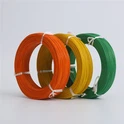
Hey there! As a supplier of UL1643 tin plated ETFE insulated wire, I've been getting a lot of questions lately about the effect of tin plating on the ease of installation of this wire. So, I thought I'd take a few minutes to share my thoughts and experiences on this topic.
First off, let's talk a bit about what UL1643 tin plated ETFE insulated wire is. UL1643 is a standard set by Underwriters Laboratories (UL) for certain types of wires. ETFE, or ethylene tetrafluoroethylene, is a high - performance plastic insulation material known for its excellent chemical resistance, high temperature tolerance, and good electrical properties. The tin plating on the wire is a thin layer of tin applied to the conductor, usually copper.
One of the most significant effects of tin plating on the ease of installation is related to soldering. Soldering is a common method used to connect wires during installation. Tin has a relatively low melting point compared to copper. When you're soldering a tin - plated wire, the solder can bond more easily to the tin layer. This means that you don't have to heat the wire as much or for as long as you would with a non - tin - plated copper wire. It reduces the risk of overheating the ETFE insulation, which could damage it and compromise the wire's performance. For example, if you're working on a delicate electronic circuit, you want to make sure that the soldering process doesn't cause any harm to the surrounding components. The ease of soldering provided by tin plating makes the installation process quicker and more reliable.
Another aspect is the protection against oxidation. Copper, the most common conductor material in wires, oxidizes when exposed to air. Oxidized copper can be difficult to work with during installation. The tin plating acts as a barrier between the copper conductor and the air. This prevents oxidation, keeping the surface of the wire clean and smooth. When you're trying to strip the insulation or make connections, a non - oxidized wire is much easier to handle. You don't have to deal with the rough and uneven surface that oxidized copper can develop. This makes tasks like crimping or using wire connectors much simpler.
Tin plating also improves the wire's lubricity. When you're pulling the wire through conduits or cable trays during installation, a wire with good lubricity will move more smoothly. The tin layer provides a slick surface that reduces friction between the wire and the surrounding materials. This not only makes the installation process faster but also reduces the risk of damaging the insulation due to excessive pulling force. For instance, in a large - scale electrical installation where you have to run wires through long and complex conduit systems, the reduced friction can save a lot of time and effort.


Now, let's touch on some related products. If you're interested in other high - quality wires, you might want to check out UL1671 High quality wire. It's another great option that also features tin - plated ETFE insulation. And for those in need of electrical copper cable, our product in this category offers reliable performance. If you want to explore more about ETFE Insulated Wire, there are plenty of details available on the provided link.
In addition to soldering and oxidation protection, tin plating can also enhance the mechanical properties of the wire during installation. The tin layer adds a bit of extra strength to the outer surface of the conductor. This can be beneficial when you're bending or shaping the wire. You're less likely to break or damage the conductor, especially in tight spaces where you need to make precise bends.
However, it's important to note that while tin plating offers many advantages for installation, there are also some considerations. For example, tin can be more brittle than copper in certain conditions. If you're subjecting the wire to extreme cold or high - stress bending during installation, there's a small risk of the tin layer cracking. But in normal installation scenarios, this is usually not a major concern.
Overall, the tin plating on UL1643 ETFE insulated wire has a very positive impact on the ease of installation. It simplifies the soldering process, protects against oxidation, reduces friction, and even provides some mechanical benefits. Whether you're a professional electrician working on a large - scale project or a DIY enthusiast building a small electronic device, the features provided by tin plating make the installation process more efficient and less prone to errors.
If you're in the market for UL1643 tin plated ETFE insulated wire or any of our other related products, I encourage you to reach out for a purchase and start a negotiation. We're committed to providing high - quality products and excellent customer service. Whether you have questions about the product, need a quote, or want to discuss your specific requirements, don't hesitate to get in touch. We'll work with you to find the best solution for your needs.
References
- UL Standards for Electrical Wires and Cables.
- Technical Literature on ETFE Insulation and Tin Plating.