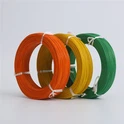
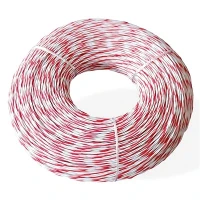
As a supplier of UL20604 multi core copper wire, I've often been asked about the tear resistance of its insulation. This property is crucial as it directly impacts the wire's durability, safety, and performance in various applications. In this blog, I'll delve into what tear resistance means for UL20604 multi core copper wire insulation, the factors that influence it, and why it matters in real - world scenarios.
Understanding Tear Resistance
Tear resistance refers to the ability of a material to withstand the propagation of a tear when a force is applied. In the context of UL20604 multi core copper wire insulation, it is the measure of how well the insulating material can prevent a tear from spreading under stress. When a wire is installed, bent, or subjected to mechanical forces during its service life, the insulation may be at risk of getting torn. A high tear - resistant insulation can maintain its integrity, providing a reliable barrier between the copper conductors and the external environment.
Factors Affecting Tear Resistance
Material Composition
The type of material used for the insulation is the most significant factor. UL20604 multi core copper wire insulation is typically made from polymers such as polyethylene (PE), polyvinyl chloride (PVC), or fluoropolymers. Each material has different inherent tear - resistant properties. For example, fluoropolymers like FEP (fluorinated ethylene propylene) generally have excellent tear resistance due to their strong molecular bonds. They can better resist the forces that would cause a tear compared to some traditional PVC or PE insulations.
Manufacturing Process
The way the insulation is manufactured also plays a vital role. A well - controlled extrusion process ensures uniform thickness and quality of the insulation layer. Any inconsistencies in the thickness or the presence of impurities can create weak points where a tear is more likely to initiate and propagate. During the extrusion, proper temperature and pressure control are necessary to achieve a homogeneous structure in the insulation material, which enhances its tear resistance.
Environmental Conditions
The environment in which the wire operates can affect its tear resistance over time. High temperatures can cause the insulation material to become softer and more prone to tearing. On the other hand, extremely cold temperatures can make the insulation brittle, reducing its ability to stretch and resist tearing. Additionally, exposure to chemicals, UV radiation, and moisture can degrade the insulation material, weakening its tear - resistant properties.
Importance of Tear Resistance in Applications
Electrical Safety
One of the primary reasons for high tear - resistant insulation is electrical safety. A torn insulation can expose the copper conductors, increasing the risk of short - circuits, electrical shocks, and even fires. In applications where the wire is used in electrical systems, such as in buildings, industrial equipment, or automotive electronics, maintaining the integrity of the insulation is essential to prevent these hazards.
Durability
In industrial settings, wires are often subjected to rough handling, vibration, and mechanical stress. A wire with high tear - resistant insulation can withstand these conditions for a longer time, reducing the need for frequent replacements. This not only saves costs but also minimizes downtime due to wire failures. For example, in manufacturing plants where machinery is constantly in motion, wires with good tear - resistant insulation can last through years of operation without significant damage.
Flexibility
Many applications require the wire to be flexible, such as in robotics or movable electrical devices. A tear - resistant insulation can maintain its flexibility while still protecting the conductors. It allows the wire to be bent and flexed multiple times without the insulation getting torn. This is crucial for ensuring the proper functioning of the device and the longevity of the wire.
Comparing with Similar Wires
When comparing UL20604 multi core copper wire with other related wires, such as UL20711 Multi Core Copper Wire and UL20710 Multi Core Copper Wire, the tear resistance can vary based on their insulation materials and design. The UL20711 FEP Wire, with its FEP insulation, is known for its high tear resistance and is often used in applications where extreme durability and reliability are required. However, UL20604 multi core copper wire offers a balance between tear resistance, cost, and other performance characteristics, making it suitable for a wide range of general - purpose applications.


Testing Tear Resistance
There are standard test methods to measure the tear resistance of wire insulation. One common method is the Elmendorf tear test, which measures the force required to propagate a tear in a pre - cut specimen of the insulation material. Another method is the trouser tear test, where a specimen is shaped like a pair of trousers and the force needed to split the two legs is measured. These tests provide quantitative data on the tear - resistant properties of the insulation, allowing manufacturers and users to compare different products and select the most appropriate wire for their needs.
Our Commitment as a Supplier
As a supplier of UL20604 multi core copper wire, we are committed to providing products with high tear - resistant insulation. We carefully select the insulation materials and use advanced manufacturing processes to ensure the quality and performance of our wires. Our in - house quality control team conducts regular tests on the tear resistance and other properties of the insulation to meet or exceed industry standards.
If you are in need of high - quality UL20604 multi core copper wire or have any questions about tear resistance or other aspects of our products, we encourage you to reach out to us for a detailed discussion. We can provide you with samples and technical data to help you make an informed decision for your specific application.
Conclusion
The tear resistance of UL20604 multi core copper wire's insulation is a critical property that affects the wire's safety, durability, and performance. Understanding the factors that influence tear resistance, such as material composition, manufacturing process, and environmental conditions, can help users select the most suitable wire for their needs. As a supplier, we are dedicated to delivering products with excellent tear - resistant insulation to meet the diverse requirements of our customers. Contact us today to explore how our UL20604 multi core copper wire can benefit your projects.
References
- ASTM D1922 - Standard Test Method for Propagation Tear Resistance of Plastic Film and Thin Sheeting by Pendulum Method
- IEC 60811 - Test methods for electric and optical fibre cables - Part 507: Mechanical test methods - Tear resistance of insulation and sheath compounds