What is the Water Absorption Rate of XLPE Insulated Wire?
As a supplier of XLPE insulated wire, I often encounter inquiries from customers about various aspects of our products, and one question that frequently comes up is about the water absorption rate of XLPE insulated wire. In this blog, I will delve into this topic to provide a comprehensive understanding.
Understanding XLPE Insulated Wire
XLPE, or cross - linked polyethylene, is a material widely used in the insulation of electrical wires. It offers several advantages over traditional insulation materials. XLPE has excellent electrical properties, such as high dielectric strength, which means it can withstand high voltages without breaking down. It also has good thermal stability, allowing the wire to operate at relatively high temperatures without significant degradation of its insulation properties.


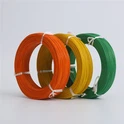
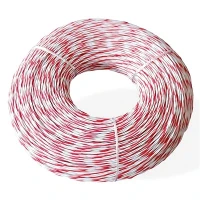
Our company offers a range of XLPE insulated wires, including UL3289 Tin Plated XLPE Insulated Wire, UL3289 Wire, and UL3423 Tin Plated XLPE Insulated Wire. These wires are designed to meet different application requirements, from automotive electronics to industrial control systems.
Importance of Water Absorption Rate
The water absorption rate of an insulated wire is a crucial parameter. Water can have a detrimental effect on the electrical performance of the wire. When water penetrates the insulation, it can reduce the dielectric strength of the material. This means that the wire is more likely to experience electrical breakdown, leading to short - circuits and other electrical failures. Additionally, water can cause corrosion of the conductor, especially if it contains impurities or salts. This corrosion can increase the resistance of the wire, resulting in power losses and potential overheating.
Factors Affecting the Water Absorption Rate of XLPE Insulated Wire
- Material Quality: The quality of the XLPE material used in the insulation plays a significant role. High - quality XLPE with a well - controlled cross - linking process generally has a lower water absorption rate. Our company uses premium - grade XLPE materials that are carefully selected and processed to ensure optimal performance.
- Thickness of the Insulation: A thicker insulation layer can act as a better barrier against water penetration. However, increasing the thickness too much may also increase the cost and size of the wire. Our engineers carefully balance the insulation thickness to achieve a good trade - off between water resistance and other performance factors.
- Environmental Conditions: The operating environment of the wire can greatly affect its water absorption. Wires exposed to high humidity, rain, or submersion in water are more likely to absorb water. For example, in marine applications or outdoor electrical installations, the wire needs to have a low water absorption rate to ensure long - term reliability.
Measuring the Water Absorption Rate
There are several standard methods for measuring the water absorption rate of XLPE insulated wire. One common method is to immerse the wire sample in water for a specified period at a constant temperature. After the immersion period, the sample is removed, dried on the surface, and weighed. The increase in weight compared to the initial weight is then calculated as the water absorption rate.
Typically, the water absorption rate of high - quality XLPE insulated wire is very low, often less than 0.01% by weight. This low rate ensures that the wire can maintain its electrical performance even in relatively harsh environments.
Our Company's Approach to Reducing Water Absorption
We take several steps to minimize the water absorption rate of our XLPE insulated wires. First, we conduct strict quality control during the manufacturing process. This includes carefully monitoring the cross - linking process to ensure uniform cross - linking throughout the insulation. Second, we use additives in the XLPE material that can enhance its water - repellent properties. These additives help to create a hydrophobic surface on the insulation, preventing water from adhering and penetrating.
Applications and the Significance of Low Water Absorption
- Automotive Industry: In automotive electronics, wires are exposed to a variety of environmental conditions, including moisture from rain and humidity. Low water absorption XLPE insulated wires are essential to ensure the reliable operation of automotive electrical systems, such as engine control units, lighting systems, and sensor circuits.
- Industrial Automation: In industrial settings, wires are often used in areas where they may be exposed to water splashes or high humidity. Our XLPE insulated wires with low water absorption rates are suitable for use in industrial control panels, motor drives, and other electrical equipment, ensuring long - term stability and safety.
- Renewable Energy: In solar and wind power generation systems, wires are installed outdoors and are exposed to all weather conditions. The low water absorption of our XLPE insulated wires helps to prevent electrical failures and ensures the efficient operation of these renewable energy systems.
Conclusion
The water absorption rate of XLPE insulated wire is a critical factor that affects its electrical performance and reliability. As a supplier, we are committed to providing high - quality XLPE insulated wires with low water absorption rates. Our products, such as UL3289 Tin Plated XLPE Insulated Wire, UL3289 Wire, and UL3423 Tin Plated XLPE Insulated Wire, are designed to meet the demanding requirements of various industries.
If you are interested in our XLPE insulated wires or have any questions about their water absorption rates and other performance parameters, we encourage you to contact us for further discussions and potential procurement. We look forward to working with you to meet your electrical wiring needs.
References
- ASTM D570 - 98(2018), Standard Test Method for Water Absorption of Plastics.
- International Electrotechnical Commission (IEC) standards related to electrical insulation materials and wires.