Ozone, a highly reactive gas composed of three oxygen atoms (O₃), is a significant environmental factor that can have far - reaching impacts on various materials, including those used in electrical wiring. As a supplier of ETFE (Ethylene Tetrafluoroethylene) insulated wire, I've witnessed firsthand the importance of understanding how ozone affects the performance of these wires. In this blog, we'll delve into the science behind ozone's interaction with ETFE insulated wire and explore its implications for wire performance.
Understanding Ozone and Its Sources
Ozone is present in two main layers of the Earth's atmosphere: the stratosphere and the troposphere. In the stratosphere, ozone forms a protective layer that shields the Earth from harmful ultraviolet (UV) radiation. However, in the troposphere, which is the layer closest to the Earth's surface, ozone is considered a pollutant.
Tropospheric ozone is formed through complex chemical reactions involving nitrogen oxides (NOₓ) and volatile organic compounds (VOCs) in the presence of sunlight. These pollutants are released from various sources, such as vehicle exhaust, industrial emissions, and chemical solvents. High - ozone conditions are often associated with urban areas and regions with heavy industrial activity, especially during hot and sunny days.
Properties of ETFE Insulated Wire
ETFE is a fluoropolymer known for its excellent electrical insulation properties, high chemical resistance, and good mechanical strength. It is commonly used as an insulating material for wires in a wide range of applications, including aerospace, automotive, and industrial electronics.
ETFE insulated wires offer several advantages over other types of insulated wires. They have a low dielectric constant, which means they can transmit electrical signals with minimal loss. Additionally, ETFE has a high melting point and can withstand high temperatures, making it suitable for use in harsh environments.
How Ozone Affects ETFE Insulated Wire
Ozone is a powerful oxidizing agent, which means it can react with many materials, including the ETFE insulation of wires. When ozone comes into contact with ETFE, it can cause a series of chemical reactions that gradually degrade the insulation material.
One of the primary effects of ozone on ETFE is the breakdown of the polymer chains. Ozone molecules have a strong tendency to react with the double bonds in the polymer structure of ETFE. This reaction leads to the formation of free radicals, which can further react with other molecules in the polymer, causing chain scission. As a result, the mechanical properties of the ETFE insulation, such as its tensile strength and flexibility, are gradually reduced.
Over time, the degradation of the ETFE insulation can lead to the formation of cracks and voids on the surface of the wire. These cracks can act as pathways for moisture and other contaminants to penetrate the insulation, increasing the risk of electrical short - circuits and other electrical failures.
The rate of ozone degradation of ETFE insulated wire depends on several factors, including the concentration of ozone in the environment, the temperature, and the duration of exposure. Higher ozone concentrations and longer exposure times generally lead to more severe degradation.
Impact on Wire Performance
The degradation of the ETFE insulation due to ozone exposure can have a significant impact on the performance of the wire.
Electrical Performance
As the insulation material degrades, its dielectric properties can change. The breakdown of the polymer chains can increase the conductivity of the insulation, leading to higher leakage currents. This can result in power losses and reduced efficiency of the electrical system. In extreme cases, the insulation may fail completely, causing short - circuits and potentially damaging the connected equipment.
Mechanical Performance
The loss of mechanical strength and flexibility of the ETFE insulation can make the wire more prone to damage during installation and use. Cracks and voids in the insulation can also weaken the wire's ability to withstand mechanical stress, such as bending and vibration. This can lead to wire breakage and disconnection, which can disrupt the operation of the electrical system.
Mitigating the Effects of Ozone on ETFE Insulated Wire
To minimize the impact of ozone on ETFE insulated wire, several strategies can be employed.
Selecting High - Quality ETFE
Using high - quality ETFE with improved ozone resistance can significantly reduce the rate of degradation. Some manufacturers produce ETFE with additives that enhance its resistance to ozone. These additives can react with ozone molecules before they can attack the polymer chains, thereby protecting the insulation material.
Environmental Control
Controlling the environment in which the wires are installed can also help reduce ozone exposure. This can involve using air filtration systems to remove ozone and other pollutants from the air, especially in indoor environments. In outdoor applications, proper ventilation and shielding can be used to minimize the wire's exposure to high - ozone conditions.
Regular Inspection and Maintenance
Regular inspection of the wires is crucial to detect early signs of ozone degradation. Visual inspection can reveal cracks, discoloration, or other signs of damage on the insulation surface. If any damage is detected, the affected wires should be replaced promptly to prevent further problems.
Applications and Considerations
ETFE insulated wires are used in a variety of applications, each with its own set of ozone - related considerations.
Aerospace
In the aerospace industry, ETFE insulated wires are used in aircraft wiring systems. These wires are often exposed to high - altitude environments, where the ozone concentration can be relatively high. To ensure the reliability of the wiring systems, aerospace manufacturers must take into account the potential effects of ozone on the ETFE insulation and implement appropriate mitigation measures.
Automotive
In automotive applications, ETFE insulated wires are used in engine compartments and other areas where high - temperature and high - ozone conditions may exist. Automobile manufacturers need to select wires with sufficient ozone resistance to ensure the long - term performance of the electrical systems in their vehicles.
Industrial Electronics
In industrial settings, ETFE insulated wires are used in a wide range of equipment, including motors, generators, and control systems. These wires may be exposed to ozone generated by industrial processes or in areas with high levels of air pollution. Industrial users should choose wires that can withstand the specific ozone conditions in their facilities.


Our Product Offerings
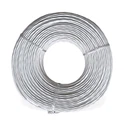
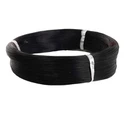
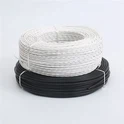
As a supplier of ETFE insulated wire, we offer a range of products designed to meet the diverse needs of our customers. Our UL10126 copper wire is a high - quality option that provides excellent electrical insulation and good ozone resistance. It is suitable for use in a variety of applications, including aerospace and industrial electronics.
Our flexible stranded wire is another popular choice. It offers greater flexibility than solid wires, making it easier to install in tight spaces. The ETFE insulation on this wire is designed to resist ozone degradation, ensuring long - term performance.
We also offer kabel 22, which is a reliable option for applications where high - temperature and high - ozone resistance are required.
Conclusion
Ozone can have a significant impact on the performance of ETFE insulated wire. The degradation of the ETFE insulation due to ozone exposure can lead to changes in the electrical and mechanical properties of the wire, increasing the risk of electrical failures and reducing the wire's lifespan. However, by understanding the mechanisms of ozone degradation and implementing appropriate mitigation measures, such as using high - quality insulation materials and controlling the environment, the negative effects of ozone can be minimized.
If you are in need of high - quality ETFE insulated wire that can withstand ozone exposure, we are here to help. Our team of experts can provide you with the right products and technical support to meet your specific requirements. Contact us to discuss your procurement needs and let's work together to ensure the reliability of your electrical systems.
References
- ASTM International. "Standard Test Method for Rubber Deterioration - Surface Cracking in an Ozone - Containing Atmosphere." ASTM D1149.
- Cowie, J. M. G., & Arrighi, V. (2008). Polymers: Chemistry & Physics of Modern Materials. CRC Press.
- Koleske, J. V. (Ed.). (2013). Fluoropolymers. John Wiley & Sons.