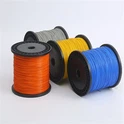
Soldering UL1332 tin plated FEP insulated wire requires a certain level of skill and knowledge. As a supplier of UL1332 tin plated FEP insulated wire, I'm here to share some professional insights on how to solder this type of wire properly.
Understanding UL1332 Tin Plated FEP Insulated Wire
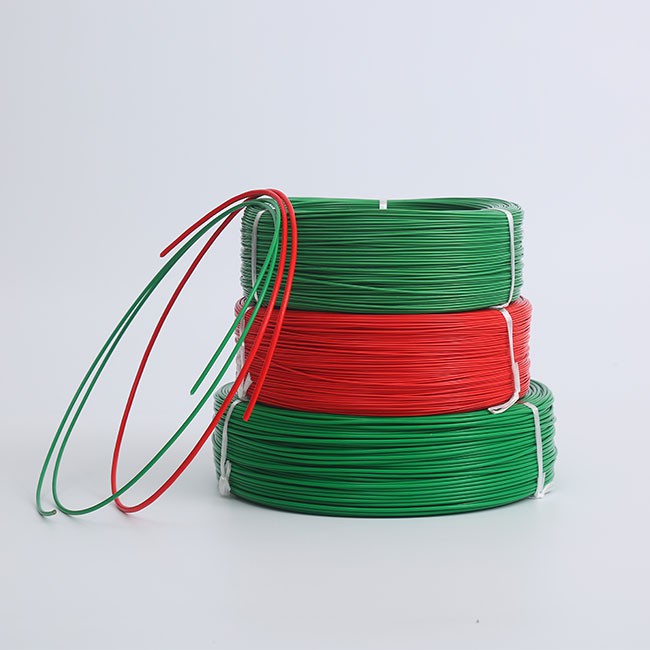
Before we start soldering, it's essential to understand the characteristics of UL1332 tin plated FEP insulated wire. UL1332 is a standard for flexible cords and cables. The tin plating on the copper conductor enhances its solderability and corrosion resistance. FEP (Fluorinated Ethylene Propylene) insulation is known for its excellent electrical properties, high temperature resistance, and chemical resistance. This makes UL1332 tin plated FEP insulated wire suitable for various applications, such as Residential Electrical Wire, high - precision electronic devices, and aerospace applications.

Tools and Materials Needed
- Soldering Iron: A good quality soldering iron with adjustable temperature is crucial. For UL1332 tin plated FEP insulated wire, a temperature range of 300 - 350°C is usually appropriate. A soldering iron with a fine tip allows for more precise soldering.
- Solder: Choose a lead - free solder with a suitable melting point. A 63/37 tin - lead solder was commonly used in the past, but due to environmental regulations, lead - free solders like SnAgCu (SAC) alloys are more popular now.
- Flux: Flux helps to clean the surfaces to be soldered and promotes better wetting of the solder. There are different types of flux available, such as rosin - based flux and water - soluble flux. For FEP insulated wire, a flux that won't damage the insulation is recommended.
- Wire Strippers: Use wire strippers that are suitable for the gauge of the UL1332 wire. Make sure to strip the insulation cleanly without nicking the tin - plated copper conductor.
- Heat Shrink Tubing: Heat shrink tubing can be used to insulate the soldered joint after soldering. Choose a tubing with appropriate diameter and heat shrink ratio.
Preparation Steps
- Inspect the Wire: Before soldering, carefully inspect the UL1332 tin plated FEP insulated wire for any damage to the insulation or conductor. If there are any visible defects, it's best to replace the wire.
- Strip the Insulation: Use the wire strippers to strip the insulation from the end of the wire. The length of the stripped section depends on the application, but typically it should be around 6 - 10 mm. Be very careful not to damage the tin - plated conductor during the stripping process.
- Clean the Conductor: Use a clean cloth or alcohol - soaked cotton swab to clean the stripped tin - plated conductor. This removes any dirt, oxidation, or flux residues from previous handling.
- Apply Flux: Apply a small amount of flux to the stripped conductor. The flux will help the solder flow evenly and adhere to the conductor.
Soldering Process
- Pre - heat the Soldering Iron: Set the soldering iron to the appropriate temperature and let it heat up. You can test the temperature by touching the tip of the soldering iron to a small piece of solder. The solder should melt quickly and smoothly.
- Tin the Conductor: Touch the tip of the soldering iron to the flux - coated conductor and apply a small amount of solder. The solder should flow evenly around the conductor, creating a thin, smooth coating. This process is called "tinning" and it helps to improve the solderability of the conductor.
- Prepare the Joint: If you are soldering two wires together, align the tinned conductors. If you are soldering the wire to a component, position the wire correctly on the component's terminal.
- Make the Solder Joint: Touch the soldering iron to the joint where the two conductors or the wire and the component meet. Apply a small amount of solder to the joint. The solder should flow into the joint, filling the space between the conductors or the wire and the component. Make sure the solder joint is smooth and shiny, without any voids or cold solder joints.
- Remove the Soldering Iron: Once the solder joint is formed, carefully remove the soldering iron. Hold the joint still for a few seconds to allow the solder to cool and solidify.
Post - Soldering Steps
- Clean the Flux Residues: After the solder joint has cooled, clean the flux residues using a suitable solvent. If you used a water - soluble flux, you can simply wash the joint with water and dry it thoroughly.
- Insulate the Joint: Slide a piece of heat shrink tubing over the soldered joint. Use a heat gun to shrink the tubing, providing insulation and mechanical protection to the joint. Make sure the tubing covers the entire soldered area and extends a little bit onto the insulation of the wire.
Troubleshooting
- Cold Solder Joints: Cold solder joints are characterized by a dull, grainy appearance and poor electrical conductivity. They are usually caused by insufficient heat or improper soldering technique. To fix a cold solder joint, re - heat the joint with the soldering iron and add a little more solder if necessary.
- Solder Bridges: Solder bridges occur when there is an unwanted connection between two adjacent solder joints. This can be caused by too much solder or improper soldering technique. Use a desoldering braid or a desoldering pump to remove the excess solder and separate the joints.
- Insulation Damage: If the FEP insulation is damaged during soldering, it can affect the performance and safety of the wire. To prevent insulation damage, make sure to use a soldering iron with the correct temperature and avoid over - heating the wire. If the insulation is slightly damaged, you can use a small piece of heat shrink tubing to repair it.
Applications of UL1332 Tin Plated FEP Insulated Wire
UL1332 tin plated FEP insulated wire has a wide range of applications. In the residential sector, it can be used for Residential Electrical Wire due to its good electrical properties and durability. In industrial applications, it is suitable for high - temperature environments, such as in high temperature copper wire applications. Additionally, its fire - resistant properties make it a good choice for Fire Resistant Wire applications.
Conclusion
Soldering UL1332 tin plated FEP insulated wire requires attention to detail and proper technique. By following the steps outlined in this blog, you can ensure that you create high - quality solder joints that are reliable and long - lasting. As a supplier of UL1332 tin plated FEP insulated wire, we are committed to providing high - quality products and technical support. If you have any questions about soldering or if you are interested in purchasing our UL1332 tin plated FEP insulated wire, please feel free to contact us for further discussion and procurement negotiation.
References
- "Handbook of Soldering Technology" by John Humpston and David M. Jacobson
- "Electrical Wiring Residential" by Ray C. Mullin and Phil Simmons