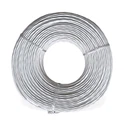
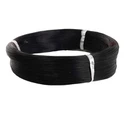
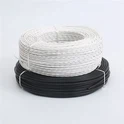
As a supplier of ETFE insulated wire, I often encounter inquiries about the proper storage requirements for this specialized product. Understanding these requirements is crucial to maintain the quality and performance of ETFE insulated wire over time. In this blog post, I'll delve into the key factors that need to be considered when storing ETFE insulated wire.
Temperature and Humidity Control
One of the most important aspects of storing ETFE insulated wire is controlling the temperature and humidity of the storage environment. ETFE (Ethylene Tetrafluoroethylene) is a high - performance fluoropolymer known for its excellent thermal stability. However, extreme temperatures can still have an impact on the wire.
The ideal temperature range for storing ETFE insulated wire is between - 20°C and 60°C. Temperatures outside this range can cause the insulation material to expand or contract, which may lead to cracking or other forms of damage. For example, if the wire is stored in an environment that is too cold, the ETFE insulation may become brittle and more prone to breakage during handling. On the other hand, high temperatures can accelerate the aging process of the insulation material, reducing its dielectric strength and overall performance.
Humidity is another critical factor. High humidity levels can lead to moisture absorption by the insulation material. Moisture can degrade the electrical properties of the wire, increasing the risk of short - circuits and other electrical failures. It is recommended to keep the relative humidity in the storage area below 70%. Dehumidifiers can be used in areas where humidity control is difficult to achieve naturally.
Protection from Physical Damage
ETFE insulated wire should be stored in a way that protects it from physical damage. This includes avoiding sharp objects, heavy loads, and excessive bending or twisting. When storing the wire on racks or in containers, ensure that there are no rough edges or protrusions that could scratch or cut the insulation.
For long - term storage, it is advisable to use spools or reels to keep the wire neatly wound. This not only protects the wire from tangling but also reduces the risk of damage during storage and transportation. If the wire is stored in loose coils, it is more likely to be damaged by accidental pulling or snagging.
When handling the wire, use proper lifting and carrying equipment. Avoid dragging the wire on rough surfaces, as this can abrade the insulation. Additionally, be careful when cutting the wire to ensure that the cutting tool does not cause any nicks or cuts in the insulation near the cut end.
Protection from Chemicals and UV Radiation
ETFE insulated wire is resistant to many chemicals, but it can still be affected by certain substances. Avoid storing the wire in areas where it may come into contact with strong acids, alkalis, or solvents. These chemicals can react with the insulation material, causing it to swell, dissolve, or lose its electrical properties.
UV radiation can also have a negative impact on the ETFE insulation. Prolonged exposure to sunlight can cause the insulation to degrade, leading to discoloration, cracking, and a reduction in its mechanical and electrical properties. Therefore, the wire should be stored in a location that is protected from direct sunlight. If the storage area has windows, consider using blinds or curtains to block UV rays.
Storage in Clean and Dust - Free Environments
A clean and dust - free storage environment is essential for ETFE insulated wire. Dust and dirt can accumulate on the surface of the insulation, which may affect its electrical performance. In addition, dust particles can act as abrasives, causing damage to the insulation during handling.
Regularly clean the storage area to remove any dust or debris. Use a vacuum cleaner or a soft brush to clean the wire spools or reels. If the wire is stored in a container, ensure that the container is sealed properly to prevent dust from entering.
Labeling and Inventory Management
Proper labeling and inventory management are important for efficient storage of ETFE insulated wire. Each spool or reel of wire should be labeled with information such as the wire gauge, length, date of manufacture, and any special specifications. This makes it easier to identify the wire and track its usage.
Implement an inventory management system to keep track of the quantity, location, and expiration date (if applicable) of the stored wire. This helps in ensuring that the oldest stock is used first, reducing the risk of using expired or degraded wire.
Examples of Our Products and Their Storage Needs
As a supplier, we offer a variety of ETFE insulated wire products, such as kabel 600V, ETFE Insulated Wire, and high temperature flexible cable. Each of these products has specific storage requirements based on their design and intended applications.
The kabel 600V is designed for medium - voltage applications. Due to its relatively higher voltage rating, it is even more critical to store it in a stable environment with proper temperature and humidity control. The ETFE insulation on this wire provides good resistance to electrical stress, but any degradation of the insulation due to improper storage can lead to safety hazards.
The ETFE Insulated Wire is a general - purpose wire suitable for a wide range of applications. It should be stored in accordance with the standard storage requirements mentioned above. This wire is often used in electronic devices and small - scale electrical systems, where the quality of the wire can significantly impact the performance of the overall system.


The high temperature flexible cable is designed to withstand high - temperature environments. However, during storage, it should still be protected from extreme temperatures and physical damage. The tin - plated conductors in this cable can be affected by moisture and oxidation, so humidity control is particularly important.
Contact for Procurement
If you are interested in purchasing our high - quality ETFE insulated wire products, we are here to assist you. We can provide detailed information about our products, including their specifications, performance characteristics, and storage requirements. Whether you need a small quantity for a prototype or a large volume for a production project, we can meet your needs. Please feel free to reach out to us to start a procurement discussion.
References
- "Handbook of Electrical and Electronic Insulating Materials" by James A. Pearce.
- Manufacturer's technical documentation on ETFE insulated wire products.
- Industry standards for electrical wire storage and handling.