As a supplier of UL20604 multi core copper wire, I am frequently asked about the toxicity of the smoke generated when this type of wire burns. Understanding the potential hazards associated with the smoke from burning wires is crucial for safety in various applications, from residential to industrial settings.
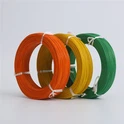
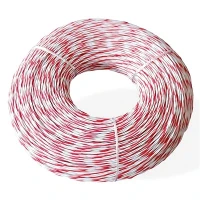
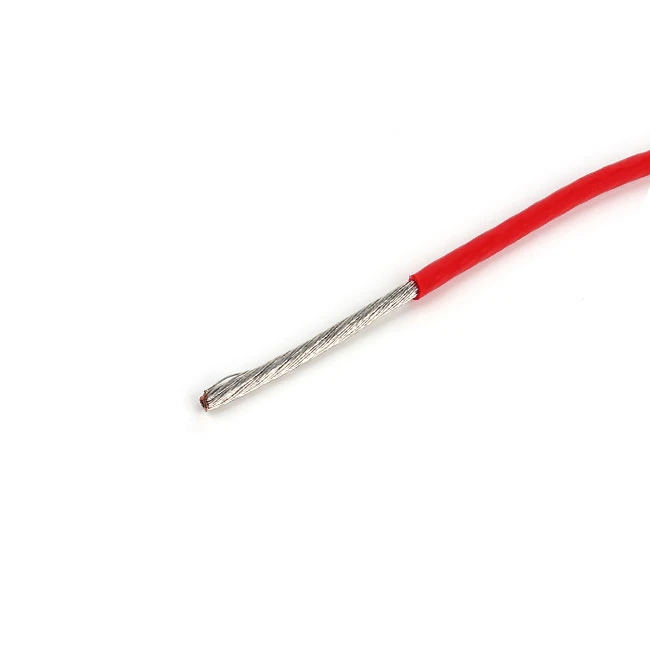
UL20604 multi core copper wire is designed to meet specific safety and performance standards. The wire typically consists of multiple copper conductors, which are known for their excellent electrical conductivity. These conductors are usually insulated with materials that are chosen for their electrical and mechanical properties. Common insulation materials include polyvinyl chloride (PVC), cross linked polyethylene (XLPE), and fluoropolymers.
The choice of insulation material can significantly affect the toxicity of the smoke produced during combustion. For example, PVC insulation, while widely used due to its low cost and good electrical insulation properties, can release toxic gases when burned. When PVC is heated to a high temperature, it decomposes and releases hydrogen chloride (HCl) gas. HCl is a highly corrosive and toxic gas that can cause irritation to the eyes, nose, and respiratory system. Prolonged exposure to HCl can lead to more serious health problems, such as lung damage and respiratory failure.
On the other hand, fluoropolymers, such as polytetrafluoroethylene (PTFE), are known for their excellent heat resistance and low flammability. When fluoropolymers burn, they can release toxic fluorine containing compounds, such as hydrogen fluoride (HF). HF is an extremely dangerous gas that can cause severe burns to the skin, eyes, and respiratory tract. It can also react with water in the body to form hydrofluoric acid, which can cause deep seated tissue damage and systemic toxicity.
The toxicity of the smoke produced by UL20604 wire when burning depends on several factors, including the type of insulation material, the burning conditions, and the duration of exposure.
In general, the smoke from burning wires can contain a variety of toxic substances, including particulate matter, carbon monoxide (CO), carbon dioxide (CO₂), and various organic and inorganic compounds. Carbon monoxide is a colorless, odorless, and highly toxic gas that can bind to hemoglobin in the blood, preventing it from carrying oxygen to the body's tissues. Exposure to high levels of CO can lead to headaches, dizziness, nausea, and even death.
The particulate matter in the smoke can also pose a health risk. These particles can be inhaled into the lungs, where they can cause irritation and inflammation. In some cases, long term exposure to particulate matter can increase the risk of developing respiratory diseases, such as asthma and chronic obstructive pulmonary disease (COPD).
To assess the toxicity of the smoke from burning UL20604 wire, it is important to consider the specific insulation material used. For example, if the wire is insulated with PVC, the smoke is likely to contain high levels of HCl. In contrast, if the wire is insulated with a fluoropolymer, the smoke may contain HF.

To minimize the risk of toxicity from the smoke produced by burning wires, various safety measures and standards have been established. For example, the Underwriters Laboratories (UL) has developed a series of standards for electrical wires and cables, including UL20604. These standards specify the requirements for the flammability, smoke generation, and toxicity of the wires.
In addition to UL standards, there are also international standards, such as the International Electrotechnical Commission (IEC) standards, which provide guidelines for the safety of electrical products. These standards help to ensure that the wires and cables used in various applications meet a certain level of safety and performance.
When choosing UL20604 multi core wire, it is important to select a product that meets the relevant safety standards. This can help to reduce the risk of toxicity from the smoke produced during a fire.
In addition to choosing the right type of wire, proper installation and maintenance are also crucial for ensuring the safety of electrical systems. Improper installation can increase the risk of electrical fires, which can lead to the release of toxic smoke. For example, if the wires are not properly secured or if there are loose connections, it can cause overheating and potentially start a fire.
Regular maintenance of electrical systems can also help to prevent fires and reduce the risk of smoke toxicity. This includes inspecting the wires for signs of damage, such as fraying or cracking, and replacing any damaged wires promptly.
As a supplier of UL20604 multi core wire, I understand the importance of providing safe and reliable products. The toxicity of the smoke produced by UL20604 multi core wire when burning depends on the type of insulation material and the burning conditions. By choosing the right insulation material, following safety standards, and ensuring proper installation and maintenance, we can minimize the risk of toxicity from the smoke.
If you are interested in purchasing UL20604 multi core copper wire or Multi Core Power Cables, please feel free to contact us for more information and to discuss your specific requirements. We are committed to providing high quality products and excellent customer service.