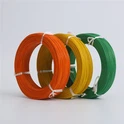
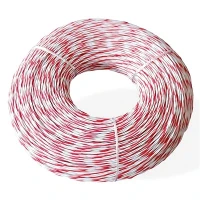
When delving into the performance of UL10064 tin plated FEP insulated wire, one of the key aspects that often comes under scrutiny is the electrical conductivity of the tin plating. As a trusted supplier of UL10064 tin plated FEP insulated wire, we understand the importance of this property and its implications for various applications.
Understanding Tin Plating and Electrical Conductivity
Tin plating is a common process in the manufacturing of wires, especially those used in electrical and electronic applications. The primary reason for tin plating is to enhance the corrosion resistance of the underlying conductor, typically copper. Copper is an excellent conductor of electricity, but it is prone to oxidation, which can degrade its electrical performance over time. Tin, on the other hand, forms a thin oxide layer on its surface that acts as a barrier, preventing further oxidation of the copper.
Electrical conductivity is a measure of how easily an electric current can flow through a material. It is the reciprocal of resistivity, which is a fundamental property of a material that quantifies its opposition to the flow of electric current. Materials with high electrical conductivity allow electrons to move freely, while those with low conductivity impede the flow of electrons.
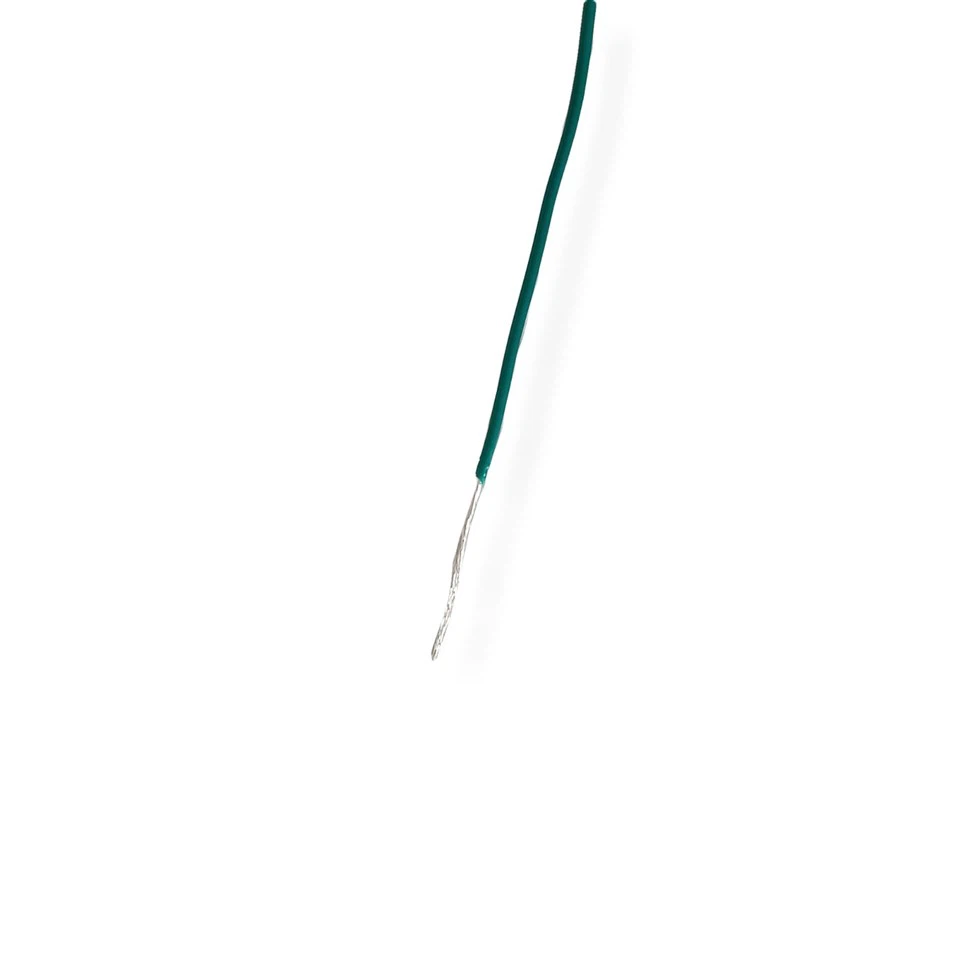
In the case of tin plating on UL10064 wires, the tin layer adds an additional conductive path for the electric current. While tin is not as conductive as copper, its contribution to the overall conductivity of the wire is still significant, especially when considering the protection it provides against corrosion.
Factors Affecting the Electrical Conductivity of Tin Plating
Several factors can influence the electrical conductivity of the tin plating on UL10064 FEP insulated wire. Understanding these factors is crucial for ensuring the optimal performance of the wire in different applications.
1. Thickness of the Tin Plating
The thickness of the tin plating plays a vital role in determining its electrical conductivity. A thicker tin layer provides a larger cross - sectional area for the flow of electric current, which generally leads to lower resistance and higher conductivity. However, there is a practical limit to the thickness of the tin plating, as excessive thickness can add to the cost and weight of the wire, and may also affect its flexibility.
2. Purity of the Tin
The purity of the tin used in the plating process also has a significant impact on the electrical conductivity. Impurities in the tin can disrupt the flow of electrons, increasing the resistivity of the tin layer. High - purity tin is therefore preferred for applications where high conductivity is required.
3. Surface Finish
The surface finish of the tin plating can affect its electrical conductivity. A smooth and uniform surface finish allows for better contact between the tin layer and the conductor, as well as other components in the electrical circuit. Rough or uneven surfaces can introduce additional resistance, reducing the overall conductivity of the wire.
4. Temperature
Temperature is another factor that can influence the electrical conductivity of tin plating. Like most conductors, tin exhibits a positive temperature coefficient of resistance, which means that its resistance increases with increasing temperature. In high - temperature applications, the increase in resistance can lead to a decrease in conductivity, which may need to be taken into account when designing electrical systems.
Measuring the Electrical Conductivity of Tin Plating
To accurately assess the electrical conductivity of the tin plating on UL10064 FEP insulated wire, specialized testing equipment is required. One common method is to measure the resistance of a sample of the wire using a four - point probe technique. This technique involves passing a known current through the wire and measuring the voltage drop across a specific length of the wire. The resistance can then be calculated using Ohm's law (R = V/I), and the conductivity can be determined from the resistance and the dimensions of the wire.
Another approach is to use a conductivity meter, which directly measures the conductivity of the material. These meters typically work by applying an alternating current to the sample and measuring the resulting electrical field. The conductivity is then calculated based on the relationship between the current, the electrical field, and the properties of the sample.
Applications and the Importance of Electrical Conductivity
The electrical conductivity of the tin plating on UL10064 FEP insulated wire is of great importance in a wide range of applications.
1. Electrical Power Transmission
In electrical power systems, the efficient transmission of electricity is crucial. Wires with high electrical conductivity minimize power losses due to resistance, ensuring that more of the electrical energy generated reaches the end - users. UL10064 tin plated FEP insulated wire is often used in power distribution systems, where the conductivity of the tin plating helps to maintain the integrity of the electrical current. You can learn more about electrical power wires at electrical power wire.
2. Electronic Devices
In electronic devices, such as computers, smartphones, and televisions, the electrical conductivity of the wires is essential for the proper functioning of the circuits. Tin plated wires are commonly used to connect various components within these devices, and the high conductivity of the tin plating ensures fast and reliable signal transmission.
3. High - Temperature Environments
UL10064 FEP insulated wire is known for its excellent high - temperature resistance. In applications where the wire is exposed to elevated temperatures, such as in industrial ovens or aerospace applications, the electrical conductivity of the tin plating remains relatively stable, ensuring consistent performance. For more information on high - temperature resistance wires, visit High Temperature Resistance Wire.

4. Fire - Resistant Applications
In addition to its electrical and thermal properties, UL10064 tin plated FEP insulated wire also offers good fire - resistant characteristics. In applications where fire safety is a concern, such as in building wiring or transportation systems, the wire's ability to maintain its electrical conductivity even in the event of a fire is crucial. Check out Fire Resistant Wire for more details.
Ensuring High - Quality Tin Plating and Conductivity
As a supplier of UL10064 tin plated FEP insulated wire, we take several steps to ensure the high - quality of the tin plating and its electrical conductivity.
We use high - purity tin in our plating process to minimize the presence of impurities that could affect conductivity. Our plating process is carefully controlled to ensure a uniform and consistent thickness of the tin layer across the entire length of the wire. We also conduct rigorous quality control tests on every batch of wire to verify the electrical conductivity and other performance parameters.
Conclusion
The electrical conductivity of the tin plating on UL10064 FEP insulated wire is a critical property that impacts its performance in a wide range of applications. By understanding the factors that affect conductivity, measuring it accurately, and taking steps to ensure high - quality plating, we can provide our customers with wires that meet their specific requirements.
If you are in need of high - quality UL10064 tin plated FEP insulated wire for your electrical or electronic applications, we invite you to contact us for a detailed discussion. Our team of experts is ready to assist you in selecting the right wire for your needs and providing you with the best possible solutions.
References
- "Electrical Conductivity of Metals" - Handbook of Physics and Chemistry
- "Tin Plating for Electrical Applications" - Journal of Electrochemical Society
- "Properties of FEP Insulated Wires" - IEEE Transactions on Dielectrics and Electrical Insulation